Please note that some of the links on this website are affiliate links. I will earn a commission if you decide to make a purchase after clicking through the link. As an Amazon Associate I earn from qualifying purchases.
Winterbor: The Frost-Sweet Curly Kale Built for Deep Winter
Best Chef Recipes — Pacific Northwest Ingredient Series
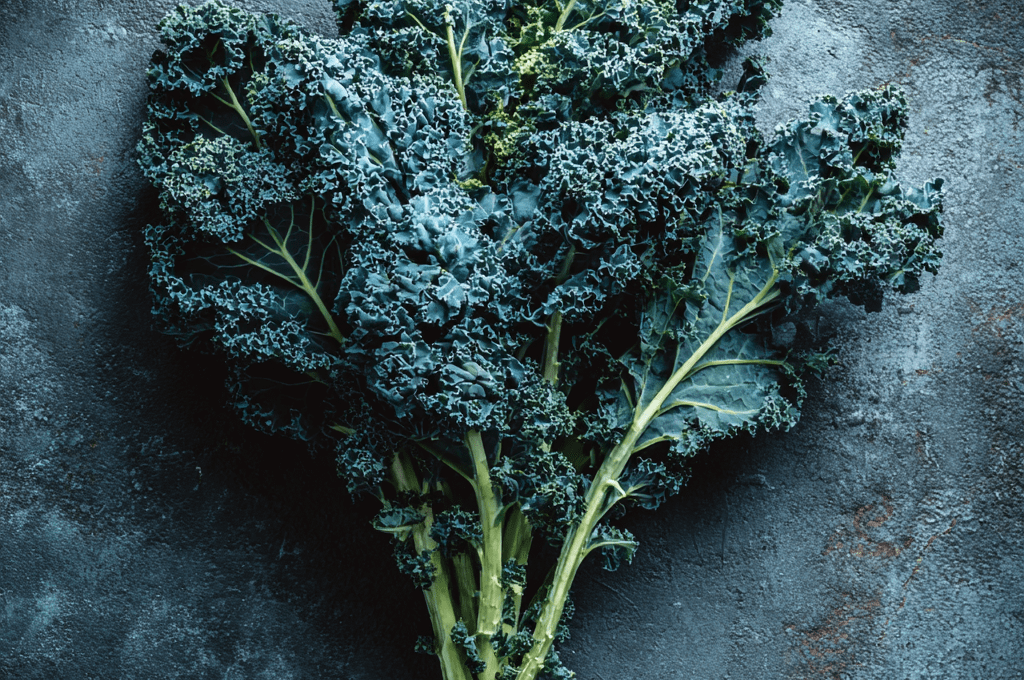
Winterbor is the cold-hardiest curly kale in commercial cultivation and one of the most reliable winter greens for chefs and growers alike. With tight emerald curls, firm stems, and remarkable frost tolerance, Winterbor can survive freezing temperatures, snow cover, and repeated freeze–thaw cycles while *improving* in sweetness and texture. It is a workhorse variety bred specifically for cold regions — making it a cornerstone winter crop in the Pacific Northwest.
In the kitchen, Winterbor performs differently than Tuscan varieties. Curly leaves trap dressings, sauces, and aromatics, creating volume and texture unmatched by flat-leaf kales. In the field, it becomes sweeter the colder it gets, often outperforming Lacinato in mid-winter flavor. Its resilience, crispness, and yield make it a favorite for farm-to-table restaurants and winter CSA programs.
🌱 Flavor, Texture & Culinary Character
Winterbor kale is known for its crunch, curl, and sweetness. Raw, the leaves are crisp and structured, perfect for salads and slaws once properly dressed. Cooked, the curls soften while retaining a springy bite, making it excellent for sautés, braises, and hearty winter soups.
| Feature | Description |
|---|---|
| Texture | Deep curls that hold dressing; crisp raw, tender cooked |
| Sweetness | High after frost; moderate raw; best in mid-winter |
| Bitterness | Low; almost absent after cold nights |
| Color | Dense blue-green curls with winter-enhanced brightness |
| Aroma | Clean, vegetal, mildly sweet brassica character |
Chef Tip: Winterbor turns exceptionally sweet after hard frost. For raw salads, massage lightly with salt and lemon for 20–30 seconds to soften curls while maintaining crunch.
🍽 Best Culinary Applications
Chefs choose Winterbor for dishes where volume, crunch, and texture matter. Its curls catch vinaigrettes and flavored oils, its stems stay firm, and its sweetness intensifies when wilted — making it extremely versatile across raw and cooked applications.
| Technique | Culinary Benefit |
|---|---|
| Hearty winter salads | Curls absorb dressing and maintain structure without sogginess |
| Sauté with aromatics | Softens quickly while retaining springy body |
| Soup and stew finish | Holds shape and color even in long simmering |
| Roasted or baked | Crisps beautifully for kale chips or warm salads |
| Marinated greens | Absorbs bold flavors—miso, citrus, chili, anchovy |
Flavor Pairings: citrus vinaigrettes, toasted hazelnuts, garlic oil, pancetta, roasted squash, tahini, sesame chili crisp, smoked paprika, parmesan, white beans, cider vinegar.
Technique Note: For kale chips, use Winterbor exclusively—its curls crisp evenly while Lacinato tends to darken or blister irregularly.
🌿 Growing Winterbor in the Pacific Northwest
Winterbor is tailor-made for the PNW: short days, cool temperatures, and extended frost seasons. While most kales endure winter, few *improve* under extreme cold the way Winterbor does. Its leaves become thicker, sweeter, and more structured after repeated freezes, making it the most reliable winter kale for chefs and small growers.
Soil, Climate & Fertility Guidelines
| Condition | Best Practice |
|---|---|
| Botanical | Brassica oleracea var. sabellica |
| Soil pH | 6.2–6.8 for balanced sweetness and mineral uptake |
| Organic matter | Moderate; avoid excessively rich compost that reduces curl density |
| Nitrogen | Apply evenly; too much produces floppy leaves |
| Climate | Excels in frost, freezing rain, and snow cover |
Grower Note: Winterbor’s curls tighten with cold stress. Less nitrogen and more chill equals better flavor and firmer texture.
Timing & Harvest Strategy
Winterbor can be grown year-round, but its *true* season is fall through winter. The sweetest leaves come after the first 3–5 frosts.
| Season | Approach | Flavor Outcome |
|---|---|---|
| Spring | Transplant early; harvest small | Mild, less sweet; ideal for baby salad mixes |
| Summer | Provide shade; avoid high nitrogen | Good yield; less curl density |
| Fall / Winter | Plant mid-summer for frost harvest | Best sweetness, color, texture; peak chef quality |
Chef’s Harvest Guide:
Harvest leaves at 6–10 inches for raw applications; 10–16 inches for sauté, soups, and chips. Remove the thickest stems for raw dishes but keep them for cooking — they become sweet and tender.
❄️ Frost, Sugar Conversion & Curl Density
Winterbor’s strength comes from its cold chemistry. The tighter curls and increased sweetness during winter are not accidental — they’re the result of physiological adaptation that turns this kale into a winter delicacy.
| Cold Effect | Leaf Response | Culinary Advantage |
|---|---|---|
| Starch-to-sugar conversion | Sweeter, richer flavor | Raw salads become naturally sweet and balanced |
| Cell wall strengthening | Increased curl density and body | Better structure in soups, sautés, and roasting |
| Reduced bitterness | Cleaner, smoother taste | Ideal for raw techniques without heavy dressing |
Technique Tip: Winterbor harvested after frost often needs less acid. Taste before dressing—its sweetness can surprise you.
🐛 Pest & Companion Planting
Cold weather naturally suppresses pest pressure, making Winterbor a low-maintenance winter crop. However, companions help regulate soil nutrients and ward off early-season issues.
| Practice | Value |
|---|---|
| Companions: rosemary, sage, onion, garlic | Repels pests and improves aromatic complexity |
| Avoid radish and mustard beds | Reduces flea beetle and aphid migration |
| Low-nitrogen cover crops | Builds soil without overstimulating leaf growth |
| Pull row covers after frost arrives | Allows cold to sweeten and tighten curls |
❄️ Why Winterbor Belongs in Chef Gardens
Winterbor is the kale that defines winter eating. It thrives in conditions where other greens fade, it sweetens in cold that would ruin most vegetables, and its curls create natural volume, crunch, and beauty in both raw and cooked preparations. For growers, it is the most reliable winter performer. For chefs, it is a textural and flavor-driven powerhouse capable of anchoring winter salads, warm vegetable bowls, soups, sautés, and roasted preparations.
Grow it for frost. Harvest it deep into winter. Let its curls catch vinaigrettes, fats, aromatics, and smoke. Winterbor is proof that winter greens can be both resilient and delicious — a dependable companion in the cold months of Pacific Northwest cuisine.