Please note that some of the links on this website are affiliate links. I will earn a commission if you decide to make a purchase after clicking through the link. As an Amazon Associate I earn from qualifying purchases.
Siberian: The Cold-Immune, Sweet, Broadleaf Kale of Deep Winter
Best Chef Recipes — Pacific Northwest Ingredient Series
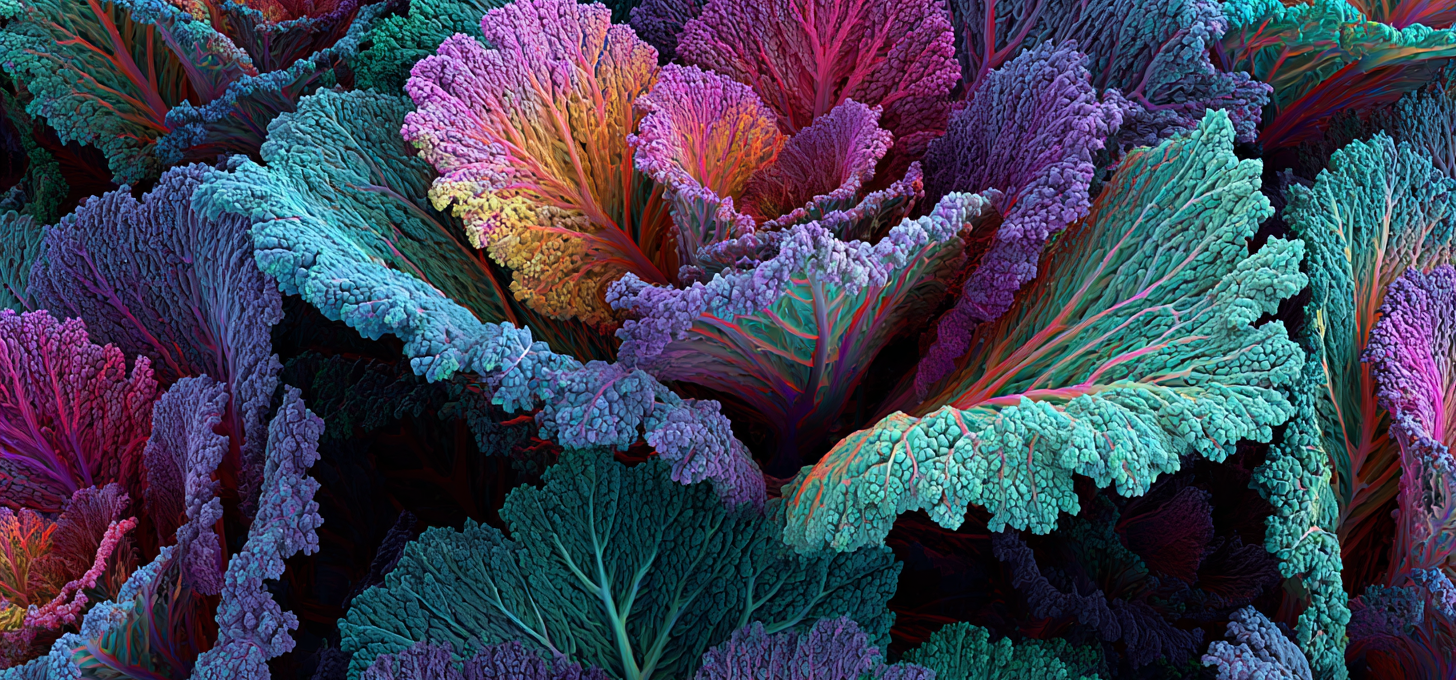
Siberian kale is one of the hardiest edible greens in the Brassica napus family—capable of surviving deep freezes, waterlogged soils, and low winter light with almost no loss of eating quality. Known for its large, soft, blue-green leaves and deeply frilled edges, Siberian kale produces reliable, abundant harvests throughout fall and winter, even when most leafy greens succumb to cold stress.
Its lineage as a rutabaga × kale hybrid gives it remarkable tenderness and cold-sweet flavor development. For Pacific Northwest growers, Siberian kale is a workhorse crop that thrives through the region’s wet, maritime winters. For chefs, it provides a mild, silky winter green suitable for raw applications, quick sautés, soups, and fermentations.
🌱 Flavor, Texture & Botanical Identity
Siberian kale is milder than curly varieties and slightly firmer than Red or White Russian, positioning it perfectly between delicate and hearty. The leaves have a broad, smooth surface with fine frilling along the edges and a subtle waxy bloom that contributes to winter durability.
| Feature | Description |
|---|---|
| Texture | Broad, soft, flexible; slightly firmer than Russian types |
| Sweetness | High after frost; clean and mild |
| Bitterness | Very low; extremely approachable |
| Color | Blue-green with a soft winter bloom |
| Aroma | Light, mildly earthy brassica |
Chef Tip: Siberian kale is ideal for guests who “don’t like kale”—its mild flavor makes it universally appealing.
🍽 Best Culinary Applications
Siberian kale’s soft leaf and subtle flavor make it one of the most versatile winter greens in the kitchen. It cooks faster than curly kale and absorbs aromatics beautifully.
| Technique | Culinary Benefit |
|---|---|
| Raw salads | Soft leaves; delicate frill holds vinaigrette |
| Quick sautés | Wilts instantly; perfect with garlic and chili |
| Soup finishing | Softens uniformly without disintegrating |
| Fermentation | Ideal for kraut blends; mild flavor profile |
| Smoothies | Neutral taste; blends smoothly |
Flavor Pairings: lemon, miso, roasted garlic, ginger, cumin, tahini, smoked salt, honey mustard, white beans, roasted root vegetables, chili-infused oils.
🌿 Growing Siberian Kale in the Pacific Northwest
Siberian kale is one of the most reliable winter greens in the PNW. It thrives even under conditions that challenge other varieties—standing up to heavy rainfall, frost, sleet, and compacted winter soils. Its cold resistance is exceptional, often surviving temperatures down to 0°F with minimal protection.
Soil & Climate Requirements
| Condition | Recommendation |
|---|---|
| Botanical | Brassica napus |
| Soil pH | 6.2–7.0 |
| Organic matter | Medium to high; promotes leaf tenderness |
| Cold tolerance | Exceptional; among the hardiest edible greens |
| Best use | Winter harvest, cold-climate production |
Grower Note: Siberian kale is more tolerant of poor drainage and clay soils than oleracea kales, making it ideal for rain-heavy winter gardens.
Planting & Harvest Strategy
The variety produces generously from fall through spring. Large leaves stay mild even at full maturity.
| Stage | Best Use |
|---|---|
| Baby leaf | Soft, sweet salad greens |
| Mid-size | Raw salads, sauté, soup finishing |
| Mature leaves | Sautés, braises, fermentation |
Chef’s Harvest Guide: 5–7 inch leaves for salads; 8–14 inches for cooking.
❄️ Frost Response & Winter Sweetening
Siberian kale’s cold response is one of the most dramatic in the kale family. Frost triggers a biochemical conversion of starches into sugars, creating a sweet, gentle flavor that surpasses most curly varieties.
| Cold Effect | Leaf Response | Culinary Benefit |
|---|---|---|
| Sugar accumulation | Sweet, mild, clean flavor | Superior raw-eating quality |
| Bitterness reduction | Smooth, approachable flavor | No need for massaging leaves |
| Leaf flexing | Increased pliability | Quick cooking with tender results |
Technique Tip: Use Siberian kale in salads where sweetness and softness are desired—especially after a frost event.
❄️ Why Siberian Kale Belongs in Chef Gardens
Siberian kale is one of the most forgiving, flavorful, and cold-resilient greens a chef can grow. Its winter sweetness, silky texture, and botanical durability make it indispensable in PNW kitchens. If you need a leafy green that survives the coldest nights while remaining tender enough for raw service, Siberian kale is unmatched.
Use it where you want winter elegance: bright salads, quick sautés, nourishing soups, or mild fermented preparations. It represents the very essence of winter-grown produce—sweetness, resilience, and clean, frost-shaped flavor.