Please note that some of the links on this website are affiliate links. I will earn a commission if you decide to make a purchase after clicking through the link. As an Amazon Associate I earn from qualifying purchases.
Redbor: The Deep-Purple Curly Kale That Defines Winter Color
Best Chef Recipes — Pacific Northwest Ingredient Series
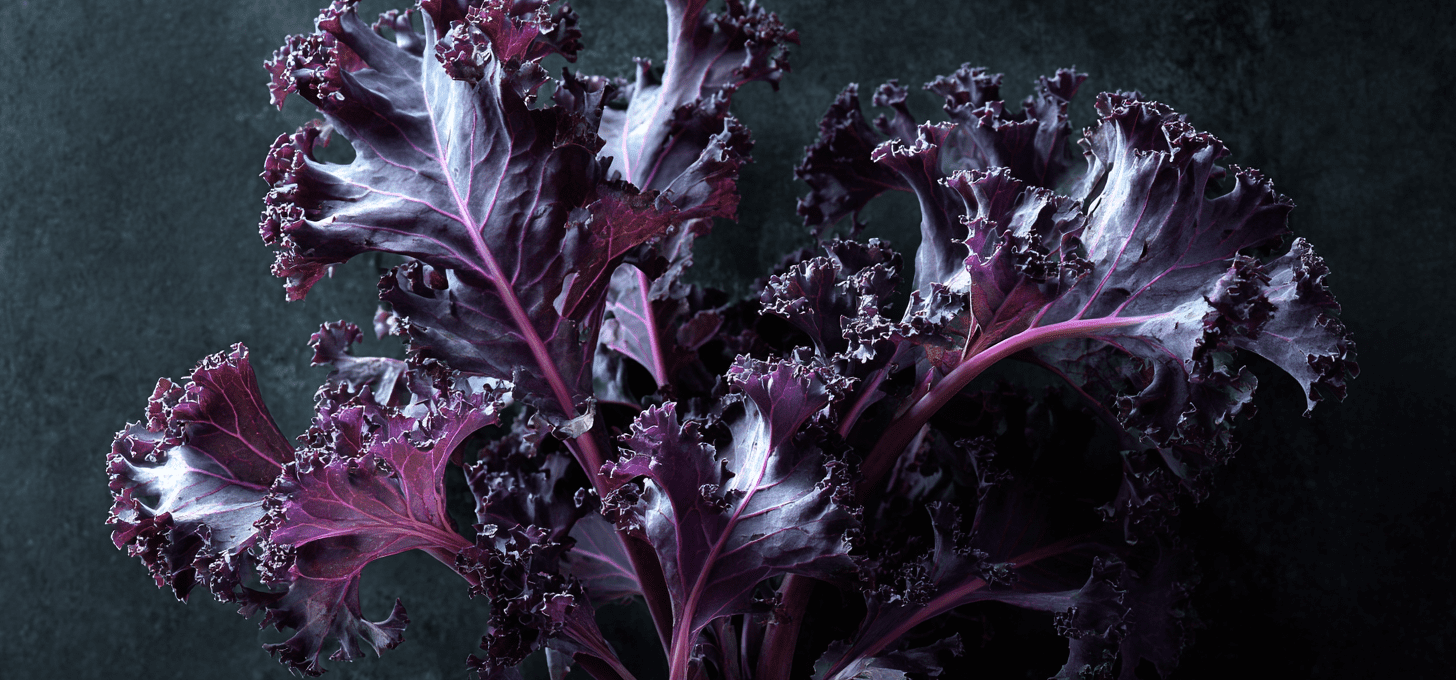
Redbor is the most visually dramatic of the curly kales — a cultivar bred for its deep purple pigmentation, dense curls, and cold-induced color intensification. While many red or purple brassicas lose their vibrancy when cooked or during winter, Redbor becomes richer, darker, and sweeter after frost. For chefs, it provides unmatched plating impact and a mild, sweet winter flavor. For growers, it offers remarkable cold tolerance and continuous harvest through the Pacific Northwest’s darkest months.
Redbor is commonly used ornamentally, but serious culinary circles have embraced it as a premium ingredient. Unlike many decorative strains, Redbor maintains excellent eating quality, producing robust leaves with earthy-sweet flavor and tender texture when properly prepared. In the field, frost triggers anthocyanin concentration, turning the frills nearly black-purple. In the kitchen, this creates kale that glows on the plate, delivering color contrast without artificial elements.
🌱 Flavor, Texture & Pigmentation
Redbor’s identity lies in its combination of anthocyanin-rich color, fine curls, and winter sweetness. The chemical compounds responsible for its pigmentation behave similarly to those in red cabbage and blueberries: cold stabilizes their color and enhances depth.
| Feature | Description |
|---|---|
| Texture | Dense curls; firm raw; softens quickly with heat |
| Sweetness | Moderate raw; strongly increased after frost |
| Bitterness | Low; earthy undertones rather than sharp bite |
| Color | Deep purple to black-purple with cold exposure |
| Aroma | Subtle brassica with mild earthiness |
Chef Tip: Redbor color intensifies when massaged with lemon or vinegar — use this to enhance raw salads and garnishes.
🍽 Best Culinary Applications
Despite its ornamental reputation, Redbor is fully edible and highly versatile. Its anthocyanins add depth to broths and sautés, and the curls crisp beautifully when roasted. Raw, it creates vivid purple salads; cooked, it retains a surprising amount of color.
| Technique | Culinary Benefit |
|---|---|
| Raw winter salads | Dramatic color; softens quickly with acid |
| Warm sauté | Retains purple tone with slight darkening |
| Roasting / kale chips | Curls crisp evenly; color intensifies |
| Braising | Holds structure; earthy-sweet flavor deepens |
| Garnishes | Vivid purple ribbons for high-end plating |
Flavor Pairings: pomegranate, balsamic reduction, garlic confit, citrus zest, maple vinaigrette, toasted hazelnuts, pecorino, roasted squash, black pepper, chili crisp.
Technique Note: Avoid blanching — it will leach anthocyanins. Cook directly in fat or dry heat for best color retention.
🌿 Growing Redbor in the Pacific Northwest
Redbor is exceptionally well adapted to PNW conditions. The region’s cool, moist winters stabilize its pigmentation and reduce heat stress, allowing the plant to build sugars and deepen color naturally. It tolerates cold rain, slush, freeze–thaw cycles, and coastal winds.
Soil, Climate & Fertility Profile
| Condition | Recommendation |
|---|---|
| Botanical | Brassica oleracea var. sabellica |
| Soil pH | 6.2–6.8 for optimal pigment expression |
| Organic Matter | Moderate; overly rich soil reduces color |
| Nitrogen | Keep balanced; excess nitrogen causes lighter leaves |
| Climate | Thrives in frost and wet winter conditions |
Grower Note: Anthocyanins intensify with cold exposure. For the darkest Redbor, harvest after multiple frosts.
Planting Window & Harvest Strategy
Redbor can be grown nearly year-round but achieves its best quality in fall through late winter. Warm-season cultivation results in lighter pigmentation and more mineral-forward flavor.
| Season | Strategy | Outcome |
|---|---|---|
| Spring | Harvest young leaves | Tender, mild, less color intensity |
| Summer | Shade during extreme heat | Healthy growth but paler pigment |
| Fall / Winter | Plant mid-summer for frost harvest | Deepest purple color, sweetest flavor |
Chef’s Harvest Guide:
5–9 inch leaves for salads or garnishes; 10–15 inches for sautéing, roasting, and braising.
❄️ Cold Response: The Biochemistry of Purple Kale
Redbor’s pigmentation comes from anthocyanins—flavonoid compounds that increase under environmental stress. Cold triggers their production as a protective antioxidant response. For chefs, this means:
| Cold Effect | Leaf Response | Culinary Benefit |
|---|---|---|
| Anthocyanin increase | Deep purple to black-purple color | Striking visual contrast |
| Sugar accumulation | Sweet, clean flavor | Improved raw eating quality |
| Cell wall strengthening | Firmer curls, better structure | Superior roasting and sauté texture |
Technique Tip: Add a splash of acid (lemon, vinegar) after cooking to “wake up” Redbor’s purple tones.
🐛 Pest Resistance & Companion Planting
Redbor benefits from its winter season, when pests are naturally minimized. Companion planting enhances its resilience and flavor.
| Practice | Value |
|---|---|
| Companions: garlic, thyme, sage, onion | Repels pests; complements aromatic profile |
| Avoid mustard rotations | Prevents flea beetle carryover |
| Cool-season cover crops | Improves soil structure without overstimulation |
| Encourage frost exposure | Critical for color development |
💜 Why Redbor Belongs in Chef Gardens
Redbor is kale with presence: visually bold, culinarily versatile, and winter-enhanced in both flavor and color. Its anthocyanin-rich leaves deliver a palette of deep purples and inky blacks that chefs can use to create natural color contrast on the plate—something few vegetables offer.
Use it for raw salads, winter garnishes, roasted side dishes, or quick sautés where color and structure matter. Growers will appreciate its resilience, reliability, and stunning midwinter presentation. Redbor is a cornerstone of winter cuisine: a leafy green that expresses the dark, sweet, and cold-driven identity of the Pacific Northwest.