Please note that some of the links on this website are affiliate links. I will earn a commission if you decide to make a purchase after clicking through the link. As an Amazon Associate I earn from qualifying purchases.
Red Russian Baby Leaf Kale
Best Chef Recipes — Pacific Northwest Ingredient Series
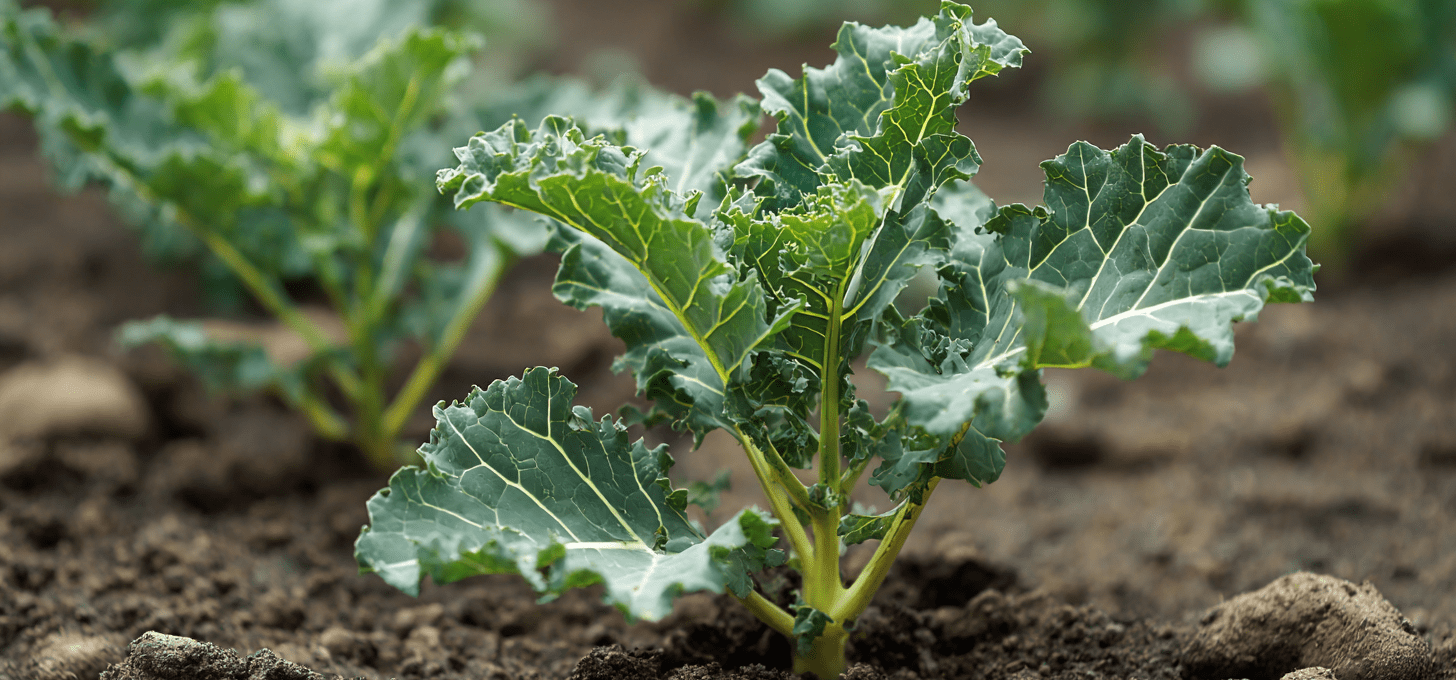
Red Russian Baby Leaf kale is one of the most naturally tender and versatile winter greens available. Harvested young from Red Russian kale (Brassica napus), this baby leaf form highlights the variety’s signature sweetness, delicate texture, and striking coloration without the toughness associated with mature kale.
In cool-weather regions like the Pacific Northwest, Red Russian Baby Leaf performs exceptionally well, offering consistent quality from fall through early spring. It is equally valued for raw preparations and light cooking.
🧪 Botanical Identity & Growth Habit
Red Russian kale belongs to the Brassica napus species group, which differs from the more fibrous Brassica oleracea kales. This lineage produces thinner leaves, flexible stems, and a naturally mild flavor profile. When harvested at the baby leaf stage, these traits are amplified.
| Trait | Description |
|---|---|
| Botanical | Brassica napus (Red Russian) |
| Harvest Stage | Baby leaf (3–6 inches) |
| Leaf Shape | Oak-leaf, softly lobed |
| Color | Blue-green leaves with purple stems |
| Cold Tolerance | Excellent; sweetness increases in cold weather |
🥬 Flavor & Texture Profile
Red Russian Baby Leaf kale is notably mild and lightly sweet, particularly after exposure to cool temperatures. The leaves are thin and flexible, requiring little preparation to be enjoyable.
- Flavor: Clean, gently sweet, vegetal
- Texture: Tender, soft, flexible
- Bitterness: Minimal
- Mouthfeel: Silky when dressed, quick to wilt
This makes it one of the most approachable kales for raw applications.
🍽 Culinary Applications
Because of its tenderness, Red Russian Baby Leaf integrates easily into a wide range of dishes without dominating other ingredients.
- Raw salads and mixed greens
- Lightly wilted greens
- Grain bowls and warm salads
- Egg dishes
- Garnish greens for composed plates
It pairs especially well with citrus, mild acids, grains, nuts, eggs, and soft cheeses.
🌿 Growing Red Russian Baby Leaf in the Pacific Northwest
This variety is particularly well suited to PNW conditions. It tolerates cool soil, short days, and frequent cutting, making it ideal for high-density sowing and cut-and-come-again harvests.
| Condition | Recommendation |
|---|---|
| Soil pH | 6.0–7.5 |
| Light | Full sun to partial shade |
| Spacing | Dense sowing for baby leaf |
| Harvest | Cut at 3–6 inches; rapid regrowth |
| Season | Fall through early spring |
❄️ Why Red Russian Baby Leaf Is a Winter Staple
Red Russian Baby Leaf kale offers reliability, sweetness, and ease of use during a season when many greens struggle. Its tenderness reduces prep time, its flavor requires little manipulation, and its color adds subtle visual interest.
For chefs, it is a refined alternative to spinach or arugula. For gardeners, it provides fast, repeatable harvests. In a winter kitchen, it functions as both a staple and a finishing green.