Please note that some of the links on this website are affiliate links. I will earn a commission if you decide to make a purchase after clicking through the link. As an Amazon Associate I earn from qualifying purchases.
Lacinato / Nero di Toscana: The Chef’s Kale of Choice
Best Chef Recipes — Pacific Northwest Ingredient Series
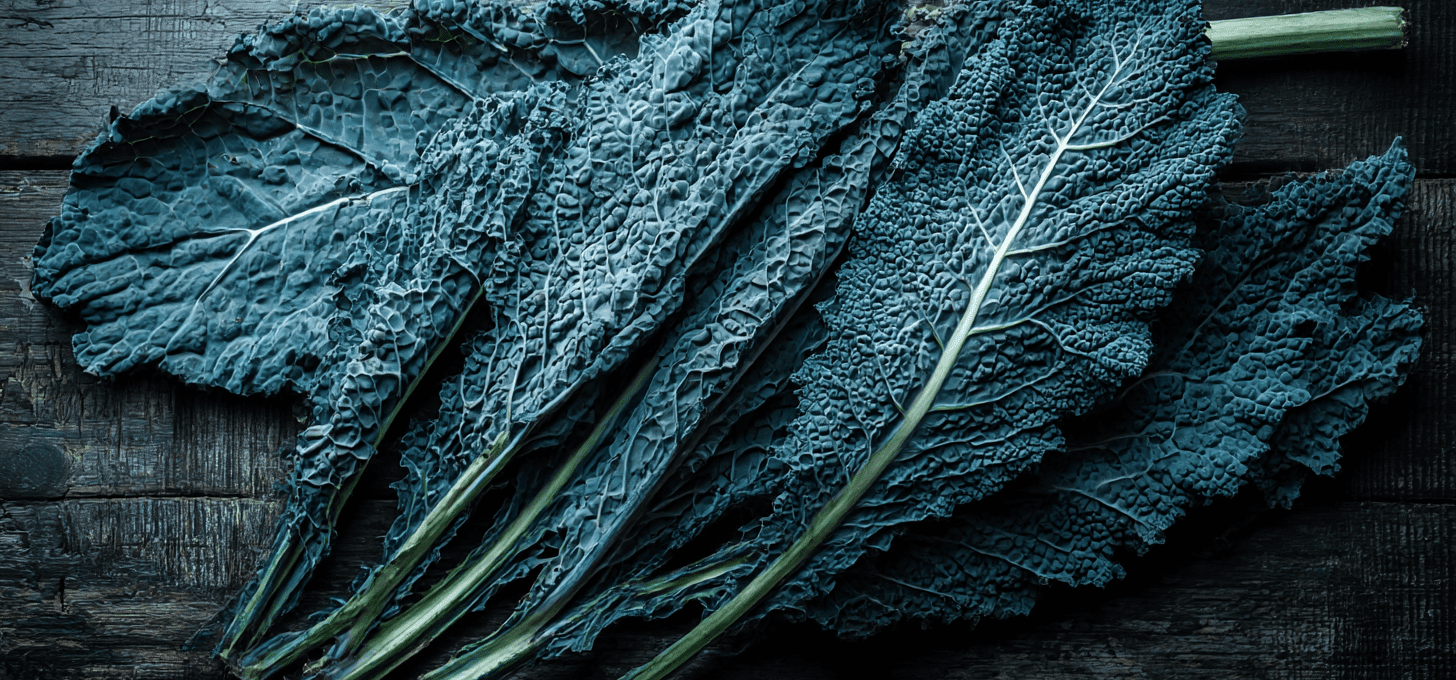
There are leafy greens, and then there is Lacinato — the kale that chefs actually get excited about. Known as Nero di Toscana, Cavolo Nero, or simply Tuscan kale, this long, palm-leaf cultivar carries a deep, mineral earthiness, a dramatic dark-green color, and a sweetness that emerges in the cold. Unlike the curly kale grown for bulk supermarket distribution, Lacinato rewards patient cooking and thoughtful gardening. It is a culinary green that reflects terroir: the weather it grew in, how it was watered, and how it was harvested.
When winter arrives in cool-climate regions like the Pacific Northwest, few crops improve the way Lacinato does. Frost turns starch to sugar, slow growth builds flavor, and the plant’s robust texture becomes silky and pliant. For chefs who value subtlety, Lacinato is a winter ingredient worth seeking, harvesting, and showcasing on the plate with intention.
🥬 Flavor & Texture Profile
Lacinato’s flavor can be described as “savory mineral sweetness.” When eaten young, it is tender enough for fine crudo dishes. When harvested large, it remains dense and structured enough for braising without falling apart. Properly grown, it offers a subtle brassica aroma without the sulfur punch common in over-produced greens.
| Feature | Description |
|---|---|
| Texture | Silky yet sturdy; holds structure when cooked |
| Bitterness | Mild; bitterness drops significantly after frost |
| Sweetness | Enhanced by cold as starch converts to sugar |
| Color | Dark, slate-green “dinosaur skin” leaves that plate beautifully |
| Aroma | Mineral brassica notes with subtle chlorophyll bitters |
Chef Tip: Harvested after a frost, Lacinato becomes sweet enough to serve raw. Slice into thin ribbons and dress simply with lemon juice, extra-virgin olive oil, and flaky sea salt to highlight its natural flavor.
🍽 Best Culinary Applications
Lacinato performs across kitchen techniques that reward texture, fat, smoke, and slow extraction. Its structure gives cooks a broader range than most greens. It can be rolled, ribboned, grilled whole, or braised without losing itself in the dish.
| Method | Why It Works |
|---|---|
| Raw crudo ribbons | Showcases sweetness and delicate chew when sliced thin. |
| Slow braising | Retains structure in soups and stews like ribollita, minestrone, or soffritto-heavy dishes. |
| Grilling over wood or charcoal | Smoke and char enhance earthy mineral tones; drizzle with fat afterward. |
| Sous-vide greens | At 185°F (85°C) for 35–45 minutes, leaves soften evenly without bitterness. |
| Dehydrated “chips” | Long, flat leaves produce elegant, refined chips with a mineral finish. |
Flavor Pairings: anchovy, pancetta, Parmigiano-Reggiano, smoked salt, hazelnut oil, roasted garlic, aged balsamic, preserved lemon, cider vinegar, chile crisp, sesame oil, or miso glaze.
Technique Note: When grilling or charring, treat Lacinato as you would thick herbs or cabbage leaves: season after cooking, not before, to avoid bitterness from burnt oil.
🌱 Growing Lacinato in Cool Climates
Growing Lacinato for flavor requires moderation, not excess. Unlike fast-growing salad greens that thrive on compost overload, Lacinato performs best under steady nutrition, regulated moisture, and seasonal temperature shifts. Overfeeding it leads to bland, watery leaves. A balanced soil profile is key to unlocking sweetness and structure.
Soil & Climate Guidelines
| Condition | Best Range / Practice |
|---|---|
| Botanical | Brassica oleracea var. palmifolia |
| Climate | Thrives in cool, maritime regions; ideal for Pacific Northwest gardens. |
| Soil pH | 6.2–6.8 for best mineral uptake |
| Soil type | Loam or silty loam; avoid dense clay or soggy beds |
| Organic matter | Moderate content; avoid heavy compost loads that create weak flavor |
| Fertilization | Balanced input; high nitrogen dilutes sugars and increases bitterness |
Grower Note: Excess nitrogen produces lush, watery leaves lacking aroma and depth. Aim for consistent, moderate growth rather than rapid explosion.
Timing & Harvest Windows
Proper timing impacts flavor as much as soil. Lacinato becomes sweetest in winter, but can still produce flavorful leaves year-round if harvested young.
| Season | Sowing Window | Notes |
|---|---|---|
| Spring | 2–4 weeks before last frost | Yield is high, but without frost, leaves are best used young. |
| Fall / Winter | Start mid-summer for late-season harvest | Best time for deep flavor; frost improves sweetness and reduces bitterness. |
Chef’s Harvest Guide: Pick leaves at 6–12 in. for raw salads or tender sauté; allow them to reach 18–24 in. for braises, grilling, or hearty stews.
❄️ How Frost Improves Lacinato
Cold weather transforms Lacinato at the cellular level. As temperatures drop, the plant begins producing glucose and fructose to prevent internal freezing. This same protective mechanism is what gives winter Lacinato its sweetness. In addition, chlorophyll breakdown slows, producing darker leaves with more concentrated flavor.
| Frost Effect | Culinary Benefit |
|---|---|
| Starch converts to sugar | Natural sweetness suitable for crudo |
| Bitterness declines | Smoother, cleaner flavor with less sulfur |
| Terpenes stabilize | Enhanced aroma without sharp cabbage notes |
If you manage a restaurant garden or supply local markets, communicate frost-harvest timing to customers. It adds value and connects flavor to seasonality—a powerful element in menu storytelling.
🧪 Flavor Tuning with Water Management
Small irrigation adjustments deliver big results. Reducing water before harvest increases mineral concentration and sugar content. The goal is not drought stress, but controlled restriction that encourages complexity, similar to practices used for wine grapes, radicchio, and stone fruit.
| Practice | Result |
|---|---|
| Reduce irrigation by ~30–40% during final 10–14 days | Concentrates sugars and aromatics without toughness |
| Use drip irrigation | Leaf dryness reduces disease and preserves flavor |
| Maintain soil moisture, never full dryness | Prevents toughness and brassica sulfur sharpness |
🐛 Pest & Companion Plant Notes
Lacinato does not struggle with pests as aggressively as wide-leaf brassicas, but young plants still benefit from selective protection and companion planting.
| Topic | Details |
|---|---|
| Aphids | Use row covers early; overwinter populations naturally drop during freezes. |
| Avoid nearby crops | Radishes and mustard attract pests that quickly spread to kale. |
| Best companions | Plant alongside sage, rosemary, onions, garlic, fennel, or marigold to deter pests. |
| Soil health companions | Legumes and clover can help stabilize nitrogen to prevent overfeeding. |
🌿 Why Lacinato Belongs in a Chef’s Garden
In the kitchen, Lacinato is a canvas. Its flavor deepens with cold, its texture thrives under heat and fat, and its appearance elevates everything it touches. In the garden, it rewards intuition more than abundance. Grow it with restraint, harvest with awareness, and cook it with intention.
Lacinato is not just “kale” — it is a culinary ingredient with terroir. It reflects climate, soil balance, and seasonal timing. Treat it well, and it will deliver remarkable depth to crudo, winter soups, grilled vegetable plates, rustic Italian stews, and composed fine-dining dishes alike.
Whether you’re a home gardener or a chef running a restaurant garden, Nero di Toscana is a crop worth respecting. Give it time, give it frost, and let the season guide your harvest. It will reward you with flavor no store-bought kale can match.