Please note that some of the links on this website are affiliate links. I will earn a commission if you decide to make a purchase after clicking through the link. As an Amazon Associate I earn from qualifying purchases.
Black Magic Kale: Dark-Leaf Culinary Cultivar
Best Chef Recipes — Pacific Northwest Ingredient Series
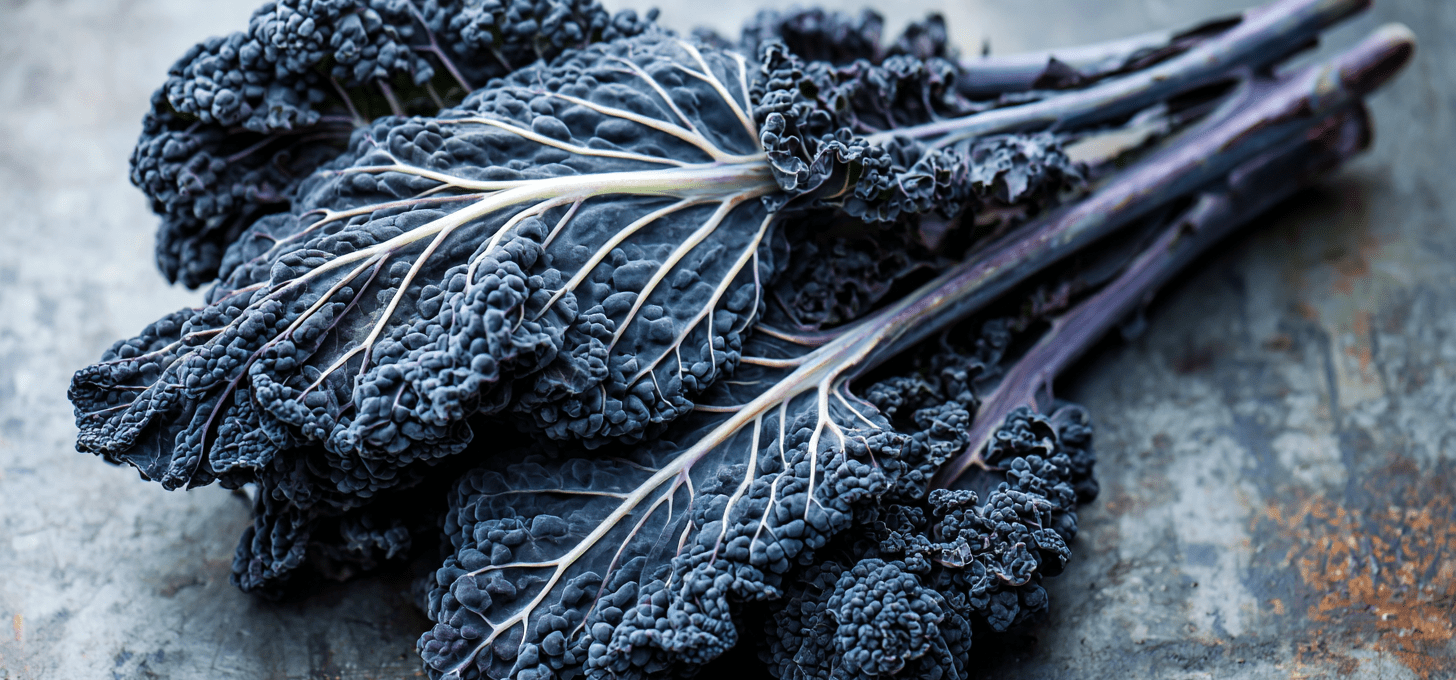
Black Magic is a modern refinement of palm-leaf kale, bred for chefs and cold-region growers who value color intensity, structure, and consistent sweetness. Unlike generic Lacinato hybrids, Black Magic develops remarkably dark slate-green leaves that become nearly black in cool weather. Its texture is firm yet silky, and its flavor deepens when grown slowly in autumn and winter. For culinary professionals, this variety is prized for both plate aesthetics and mineral-driven taste.
In the kitchen, Black Magic performs like a darker, more concentrated Lacinato. In the field, it tolerates both heat and cold better than traditional heirlooms. It is not a historic variety; it is a deliberate breeding achievement — a cultivar that understands modern fine-dining needs while protecting the intensity of cold-grown brassicas.
🖤 Flavor & Texture Profile
Black Magic leans into savory depth without leaning into heavy bitterness. When raw, its leaves are dense and structured enough for razor-thin crudo ribbons. When cooked, they soften into a velvety texture while retaining visual contrast. Frost-induced sweetness is noticeable but not cloying; the emphasis remains mineral, earthy, and umami-heavy.
| Feature | Description |
|---|---|
| Texture | Broad, firm leaf with silky finish after heat |
| Sweetness | Moderate raw; improves significantly with cold |
| Bitterness | Low, stable, never sharp even when grown fast |
| Color | Dark slate-green to nearly black in cold climates |
| Aroma | Mild chlorophyll minerality with subtle umami tones |
Chef Tip: To emphasize natural umami, finish Black Magic with smoked salt, charred lemon, or anchovy oil. Its dark color makes small garnishes visually striking.
🍽 High-Impact Culinary Uses
Where Lacinato presents rustic elegance, Black Magic reads more dramatic and architectural on the plate. Its darker tone makes it visually powerful on pale or matte plates, especially when paired with contrasting ingredients such as Parmigiano, white beans, grilled chicken, shellfish, or orchard fruit.
| Technique | Culinary Advantage |
|---|---|
| Char grilling | Enhances umami; deepens color; leaves absorb smoke beautifully |
| Sous-vide greens | Becomes velvety and sweet without losing shape |
| Flash fry + drain | Crisp edges with tender centers; ideal for garnish |
| Pickled stems | Adds acidic crunch and contrast to braises or crudo |
| Puréed into black verde sauces | Striking visual impact; deep chlorophyll flavor |
Flavor Pairings: smoked paprika, aged balsamic, roasted garlic, porchetta, sorrel, anchovy butter, burrata, white beans, Dungeness crab, hazelnut oil, Meyer lemon, toasted rye crumbs.
Technique Note: For black kale “salsa verde,” blanch briefly, press dry, and emulsify with olive oil and anchovy. The result is darker and deeper than a parsley version.
🌱 Growing Black Magic for Culinary Quality
Black Magic was created for dependable performance. It tolerates summer heat better than heirloom Cavolo Nero, yet rewards cold-grown cultivation with darker pigmentation and stronger flavor. Its ideal season is fall through early spring in cool climates. It will survive summer, but winter gives chefs the crop they expect.
Soil, Nutrition & Climate Considerations
| Condition | Ideal Parameters |
|---|---|
| Soil pH | 6.4–6.8 for sugar development and mineral uptake |
| Organic matter | Moderate; excessive compost weakens flavor |
| Feeding | Avoid high nitrogen; use balanced slow-release amendments |
| Climate | Cold-tolerant; handles heat better than heirlooms |
| Color development | Darkest pigmentation triggered by cold stress |
Grower Note: To maximize leaf darkness, plan your primary harvest window for late fall through winter. Shade-grown or warm-season crops will be greener and milder.
Timing & Harvest Practices
Black Magic is a long-season crop when grown for culinary quality. Fast, warm-weather crops are serviceable, but cold-grown leaves contain more sugars, darker color, and denser texture.
| Season | Strategy | Flavor Impact |
|---|---|---|
| Early Spring | Transplant just before last frost | Produces tender early salads; lighter green |
| Summer | Plant for growth, not depth | Good yield; less sweetness, lighter color |
| Fall / Winter | Plant mid-summer for frost harvest | Deep flavor; intense dark leaves; ideal for chefs |
Chef’s Harvest Guide: Choose 8–14 inch leaves for sauté and crudo; 16–20 inch leaves for grilling, braising, and purees.
❄️ Frost & Color Chemistry
Black Magic reacts to cold not only through flavor, but through pigmentation. As temperatures drop, the plant increases anthocyanin production, darkening the leaf surface while stabilizing sugars and reducing bitterness. This combination increases culinary complexity and visual power on the plate.
| Cold Response | Result on Plate |
|---|---|
| Anthocyanin surge | Darker, nearly black leaf ideal for contrast plating |
| Starch-to-sugar conversion | Sweeter profile suitable for raw ribbons and charred dishes |
| Bitterness suppression | Smooth flavor even when cooked hard or smoked |
Technique Tip: If using Black Magic for raw crudo, choose leaves harvested after repeated frost events — the leaf color and sweetness dramatically outperform summer crops.
🐛 Pest & Companion Strategy
Black Magic is more resilient than heirloom Tuscan types, but early plantings can still benefit from mild support. Strong companion planting helps flavor as well as pest control by balancing soil competition.
| Practice | Benefit |
|---|---|
| Companions: sage, fennel, onion, rosemary | Repels pests and encourages aromatic complexity |
| Avoid: mustard, radish beds | Attract aphids and flea beetles |
| Minimal nitrogen cover crops | Prevents watery leaves; fosters mineral intensity |
| Early row cover removal | Allows cold stress to drive pigmentation and sweetness |
🌑 Why Black Magic Belongs in Chef Gardens
Black Magic is a modern kale designed for culinary nuance. Its darkness isn’t aesthetic alone — that pigmentation carries flavor and texture cues that reward smoke, fat, acid, and long cooking. In gardens, it performs predictably and thrives through winter. In kitchens, it brings bold contrast, low bitterness, and an architecture that holds its own on refined plates.
For chefs focused on winter vegetables, seasonal storytelling, and visually striking greens, Black Magic offers something rare: flavor-forward breeding that respects tradition while serving contemporary cuisine. Grow it for winter. Plate it with intention. Let its darkness emphasize the light around it.