Please note that some of the links on this website are affiliate links. I will earn a commission if you decide to make a purchase after clicking through the link. As an Amazon Associate I earn from qualifying purchases.
Dazzling Blue: Pink-Ribbed Lacinato for Chefs & Market Gardens
Best Chef Recipes — Pacific Northwest Ingredient Series
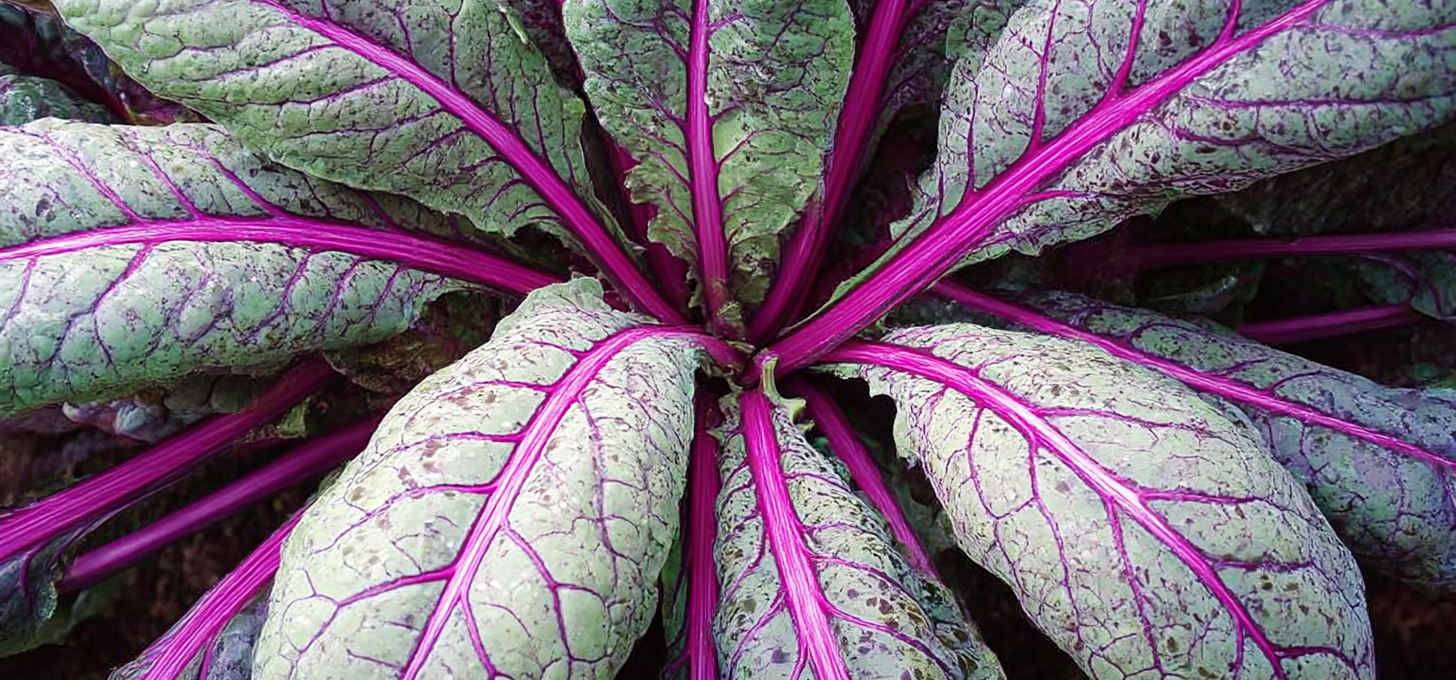
Dazzling Blue is a modern open-pollinated Lacinato kale with striking pink to magenta midribs and deep blue-green leaves. Bred in Oregon by Frank Morton, it was designed for cold-region growers and chefs who want a kale that stands out visually without sacrificing culinary performance. Unlike ornamental “edible flowers,” this variety is all about flavor first — the vivid stems are a bonus.
In appearance, it is the most dramatic member of the palm-leaf kale family. On the plate, it offers a mineral-forward taste similar to Tuscan heirlooms, but with more sweetness in winter and slightly more chlorophyll intensity in summer. In gardens and farms, it is one of the most cold-hardy Lacinato strains available, holding texture through snow, frost, and repeated freeze-thaw cycles.
💙 Flavor & Visual Identity
Dazzling Blue isn’t just visually expressive; its flavor shifts noticeably with climate and cooking. When raw, it shows a crisp mineral bite with faint bitterness. After frost or light steaming, sweetness rises and the vegetal tones deepen. Its midrib is particularly flavorful — not a discard, but a textural advantage.
| Feature | Description |
|---|---|
| Texture | Firm, sculpted leaves; deeply ribbed midstems remain tender when cooked |
| Sweetness | Moderate raw; high after frost; becomes nutty when grilled |
| Bitterness | Present raw, but balanced; greatly reduced by cold or blanching |
| Color | Blue-green leaves with bright pink to purple midribs |
| Aroma | Bold chlorophyll minerality with subtle sweetness after heat |
Chef Tip: Use the pink stems intentionally — slice thin and finish raw over cooked leaves for contrast in both color and texture.
🍽 Best Culinary Applications
Dazzling Blue plates beautifully across rustic, modern, and Nordic-informed dishes. It works wherever you would use Lacinato, but excels when color contrast matters. Its stems and darker leaves respond exceptionally well to smoke, fat, and acid-driven condiments.
| Technique | Why It Works |
|---|---|
| Grilled whole leaves | Color intensifies; stems char into a sweet, crunchy accent |
| Quick blanch + sauté | Reduces raw bitterness while preserving hue and bite |
| Crudo ribbons | Visually striking; best after frost or with lemon maceration |
| Dehydrated chips | Keeps color and gives pink-veined crisp textures |
| Kale stem pickles | Beautiful pink pickles; bright acidity balances earthy dishes |
Flavor Pairings: lemon oil, fermented garlic honey, miso vinaigrette, shaved pecorino, pancetta, maple-glazed delicata squash, Calabrian chile, smoked salt, brown butter, pomegranate molasses.
Technique Note: When blanching and shocking, don’t overcool. Remove from ice as soon as the green stabilizes — extended ice contact dulls the stem color.
🌱 Growing Dazzling Blue in Cool Climates
Dazzling Blue is an Oregon-born cultivar built for cold maritime seasons — ideal for the Pacific Northwest. Its internal vascular pigments increase under cold stress, giving deeper pink coloration in winter than in summer. It thrives where other Lacinato strains may flatten, wilt, or lose sugars.
Soil & Climate Requirements
| Condition | Guideline |
|---|---|
| Botanical | Brassica oleracea var. palmifolia |
| Soil pH | 6.2–6.8 for proper pigment and sugar development |
| Nutrient style | Moderate fertility; high nitrogen makes stems pale and watery |
| Climate performance | Thrives in winter; most vivid stems during frost periods |
| Heat tolerance | Better than Cavolo; color fades slightly in mid-summer |
Grower Note: Dazzling Blue’s color is a transparency window into soil health. Pale stems indicate too much nitrogen or too little stress — reduce fertility and wait for colder nights.
Timing, Harvest & Color Optimization
A late-summer sowing produces peak winter quality with maximum pigmentation. Longer, slower growth increases leaf firmness, color intensity, and raw sweetness.
| Planting Season | Strategy | Color & Flavor Outcome |
|---|---|---|
| Spring | Transplant early; harvest younger | Milder flavor; lighter stems; best for crudo |
| Summer | Use shade or low fertility | Good yield; less color contrast; best for braising |
| Fall / Winter | Plant July–August; harvest after frosts | Deepest color; sweetest leaves; chef-grade crop |
Chef’s Harvest Guide: For plating, choose leaves 8–12 inches; leave larger leaves for grilling, stews, and dehydrated garnishes.
❄️ Frost Impact on Color & Flavor
Dazzling Blue’s iconic stems come from anthocyanins — the same pigments found in blueberries, purple cabbage, and blood oranges. Cold triggers their production, while sugar concentration increases flavor. This makes frost not a risk, but a strategic advantage.
| Cold Response | Effect | Culinary Advantage |
|---|---|---|
| Anthocyanin spike | Stems intensify to pink/magenta | Bold color contrast on matte plates |
| Starch reduction | More glucose/fructose in leaves | Raw ribbons become naturally sweeter |
| Cell wall thickening | Texture strengthens, doesn’t collapse in cooking | Upright leaves in broth, smoke, or oil-stewing |
Technique Tip: For dramatic plating, flash-sear stems only to caramelize natural sugars — leave the leaves raw or lightly wilted to preserve hue.
🐛 Pest & Companion Planting
Dazzling Blue benefits from companions that deter aphids and promote balanced soil conditions. Avoid brassica-heavy rotations that increase pest pressure.
| Practice | Benefit |
|---|---|
| Companions: fennel, rosemary, sage, garlic | Repels pests while supporting aromatic diversity |
| Avoid: mustard, radish beds | Attract flea beetles & aphids quickly |
| Low-nitrogen cover crops | Improves soil without diluting pigmentation |
| Remove row cover early | Allows cold stress to improve flavor & color |
🌈 Why Dazzling Blue Belongs in Chef Gardens
Dazzling Blue is more than a novelty — it is a visual and culinary achievement. It offers the structure of classic Tuscan kale with the color impact of edible ornamentals, yet remains rooted in flavor-first breeding. For restaurants, growers, and home chefs, it delivers a crop that communicates season, soil, and intention through both color and taste.
Whether used as raw ribbons, charred whole leaves, vivid pickled stems, or as a dramatic component in winter salads, Dazzling Blue invites contrast and creativity. Grow it slowly, harvest it in cold, and let its magenta veins become part of your winter storytelling.