Please note that some of the links on this website are affiliate links. I will earn a commission if you decide to make a purchase after clicking through the link. As an Amazon Associate I earn from qualifying purchases.
Palmizio: Early-Maturing Tuscan Kale with Delicate Texture
Best Chef Recipes — Pacific Northwest Ingredient Series
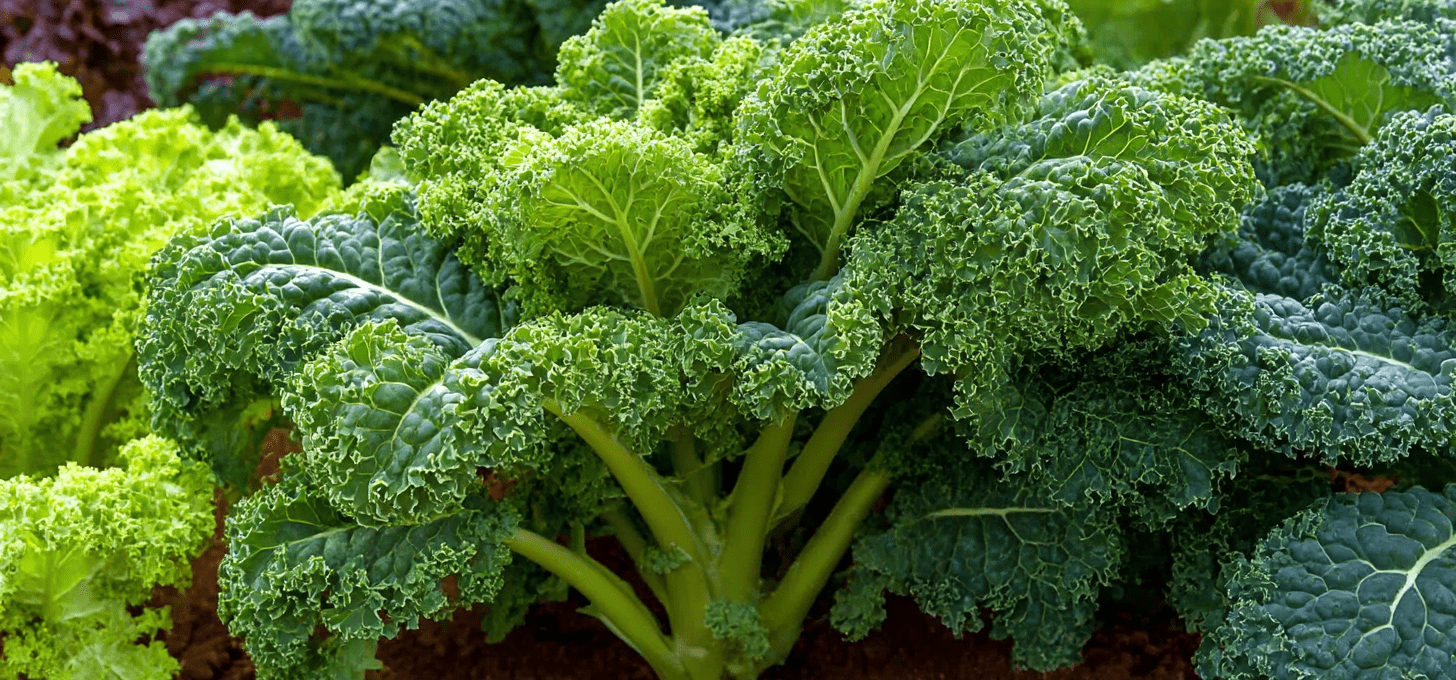
Palmizio is a rare early-maturing Lacinato-type kale valued for its tender texture and refined flavor. Unlike the long-frond Toscano Black Palm or the dramatic Black Magic, Palmizio produces slightly shorter, thinner “palm leaf” blades with a supple bite and mild bitterness. It is a chef-friendly cultivar designed for fast harvest cycles, raw applications, and fine-textured cooking techniques such as sauté, crudo ribbon salads, and short braises.
For growers, Palmizio offers a quick turnaround compared to traditional Tuscan strains, reaching usable size earlier and producing harvest-ready clusters long before hard frost. For chefs, it delivers a more forgiving bite than mature Lacinato while still retaining enough structure for warming dishes. It is a kale that behaves like a leafy herb when young and like a velvety braising green when mature.
🌱 Flavor, Mouthfeel & Culinary Personality
Palmizio’s key appeal is its texture. Its leaves are softer and more flexible than standard Lacinato, yet not flimsy. Raw, the leaf structure breaks down with lemon or salt in seconds, making it ideal for crudo-style preparations without requiring heavy marination. Cooked, the leaves surrender quickly but do not disintegrate, making them ideal for short braises, wilted greens, and delicate soups.
| Feature | Description |
|---|---|
| Texture | Tender, flexible leaves; softens quickly under heat |
| Sweetness | Moderate, increases after cool nights |
| Bitterness | Low; easily mitigated by acid or blanching |
| Color | Dark green with subtle ribbing; less blistered than Lacinato |
| Aroma | Clean mineral greens with faint herbal character |
Chef Tip: Palmizio is ideal for citrus-driven raw preparations. Thinly slice and dress with Meyer lemon, olive oil, and shaved pecorino to highlight sweetness and quick wilting.
🍽 Best Culinary Applications
Palmizio is a kale that responds quickly to technique. Cooked too long, it becomes overly soft; handled with care, it yields velvety textures without losing form. Chefs value it not for dramatic structure, but for its finesse. It works exceptionally well where greens need to be warm, pliant, and integrated into a dish without stealing focus.
| Technique | Benefit |
|---|---|
| Raw crudo salads | Breaks down with citrus quickly; no massaging required |
| Short braises | Tender without going mushy; excellent in white wine broths |
| Wilted greens with fat | Pairs well with pancetta, bacon, or anchovy for fast pan sauces |
| Sauté with aromatics | Softens in minutes; ideal with garlic, shallot, or chili oil |
| Soup finish | Add at the end; becomes silky without losing color |
Flavor Pairings: pancetta, Parmigiano-Reggiano, roasted garlic, lemon zest, pork broth, white beans, prosciutto fat, Calabrian chile, hazelnut oil, preserved lemon, white wine, aged pecorino.
Technique Note: For soup and stew use, add Palmizio in the last 3–6 minutes of cooking to preserve silky structure and avoid disintegration.
🌿 Growing Palmizio for Chef Quality
Palmizio is one of the fastest-maturing palm-leaf kales, making it valuable for market growers and farm-to-table restaurants needing early winter yield. Its rapid development means it thrives with moderate fertility and does not require extended growth cycles to build flavor.
Soil, Fertility & Growth Conditions
| Condition | Best Practice |
|---|---|
| Botanical | Brassica oleracea var. palmifolia |
| Soil pH | 6.2–6.7 for balanced mineral uptake |
| Organic matter | Moderate; too rich encourages floppy leaves |
| Nitrogen | Lower than Lacinato; excess weakens leaf structure |
| Climate | Excels in cool climates; prefers fall/winter harvests |
Grower Note: Over-fertilizing Palmizio leads to thin, watery leaves that collapse under heat. Restrained nutrient input equals better structure and flavor.
Timing & Harvest Strategy
Palmizio shines in fast cycles. Growers can treat it like a higher-end alternative to baby kale, but with more leaf definition and deeper culinary value.
| Season | Planting/Harvest Approach | Result |
|---|---|---|
| Spring | Transplant early; harvest small | Tender raw leaves; ideal for salads |
| Summer | Reduce nitrogen; harvest often | Mild flavor; less sweetness without cold |
| Fall / Winter | Plant mid-summer; harvest post-frost | Best sweetness & texture; ideal for braising + crudo |
Chef’s Harvest Guide: Harvest leaves at 6–10 inches for raw usage and 10–14 inches for sauté or short braise applications.
❄️ How Cold Enhances Palmizio
Like most brassicas, Palmizio undergoes starch-to-sugar conversion in cold weather. However, its tender structure means the shift happens quickly, giving it noticeably sweeter flavor after just a few cold nights. Frost improves both its taste and cooking behavior, making it more resilient under heat.
| Cold Effect | Leaf Response | Culinary Outcome |
|---|---|---|
| Rapid sugar accumulation | Sweeter, less bitter | Ideal for raw ribbons & lemon dressings |
| Texture consolidation | Firmer cell structure | More stable in sauté or soup finish |
| Chlorophyll stabilization | Richer, darker green | Improved visual impact on matte plates |
Technique Tip: When serving Palmizio raw, salt lightly and use acid gently; it wilts much faster than mature Lacinato.
🐛 Pest & Companion Strategy
Palmizio’s fast growth protects it from prolonged pest pressure, but early seedlings benefit from aromatic companions and light soil competition to prevent overfeeding.
| Practice | Value |
|---|---|
| Companions: rosemary, onion, sage, garlic | Repels pests and stabilizes mineral uptake |
| Avoid brassica-dense beds | Reduces aphid transfer from radish and mustard |
| Use light cover crops | Prevents overfertilization, improves texture |
| Remove row covers after first frost | Encourages sweetness and firmer leaves |
🌿 Why Palmizio Belongs in Chef Gardens
Palmizio is a cultivated answer to two culinary desires: faster harvest and finer texture. It offers a midpoint between baby kale and mature Lacinato, filling a niche for chefs who want greens that behave like an herb when raw and like a silky braising leaf when cooked. It rewards delicate technique and restrained growing practices.
Grow it with moderation. Harvest it young. Let its tenderness shine in raw ribbons, lemon-dressed salads, short braises, and velvety finishes. Palmizio is proof that not all kale needs to be bold — some varieties are here to bring finesse.