Please note that some of the links on this website are affiliate links. I will earn a commission if you decide to make a purchase after clicking through the link. As an Amazon Associate I earn from qualifying purchases.
Westland Winter: The Heritage Cold-Hardy Kale Built for Deep Maritime Winters
Best Chef Recipes — Pacific Northwest Ingredient Series
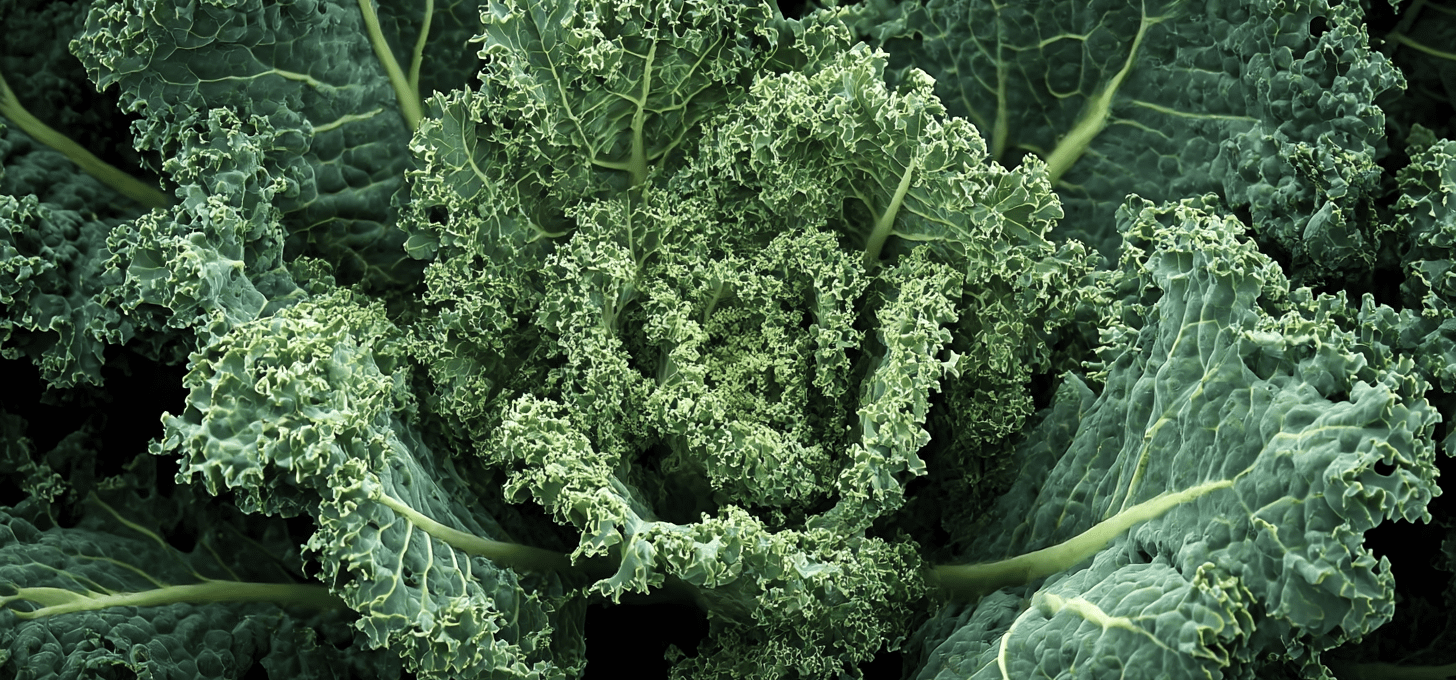
Westland Winter is one of the toughest and most reliable winter kales ever developed, originating from Northern European breeding lines specifically shaped by cold, wind, and low-light maritime conditions. It is a cultivar that does not merely survive winter—it excels in it. With exceptionally frilled leaves, dense curl architecture, and a classic blue-green hue, Westland Winter produces remarkable sweetness after frost and holds its texture even when exposed to cold, sleet, and coastal winds.
For chefs, Westland Winter offers heirloom depth and rugged structure ideal for hearty winter dishes. For growers, it provides unmatched resilience and yield in winter-only systems. In the Pacific Northwest, where winter vegetables must handle constant moisture, low light, and intermittent cold snaps, Westland Winter stands out as one of the most dependable winter-harvest brassicas.
🌱 Flavor, Texture & Heirloom Identity
Westland Winter is known for its bold, earthy-sweet flavor and deeply frilled leaves. Compared to modern curly hybrids like Starbor or Darkibor, Westland Winter has a looser, more rustic frill, reflecting its heritage genetics. Its flavor is one of the richest in the curly kale category—substantial, savory, and unmistakably shaped by cold exposure.
| Feature | Description |
|---|---|
| Texture | Deep frills; robust leaf body; strong winter bite |
| Sweetness | High after frost; mild raw; earthy undertone |
| Bitterness | Minimal in winter; more pronounced in summer |
| Color | Classic blue-green, slightly paler than Darkibor |
| Aroma | Deep brassica with slight nuttiness when cooked |
Chef Tip: Westland Winter holds up to long cooking better than most curly kales. Use it in broths, bean stews, and braised dishes where texture must endure heat.
🍽 Best Culinary Applications
Westland Winter is designed for hearty cooking. Its rugged leaf structure withstands braising, simmering, roasting, and slow reductions without collapsing or losing identity. Young leaves can be used raw, but the variety is most expressive when exposed to heat.
| Technique | Culinary Benefit |
|---|---|
| Braising in broth or wine | Retains shape; absorbs aromatics beautifully |
| Hearty winter stews | Texture survives long simmering |
| Roasted kale medleys | Edges crisp; inner curls stay tender |
| Stir-fry or sauté | Develops nutty, savory flavors under high heat |
| Traditional European dishes | Perfect for kale-potato dishes and winter porridges |
Flavor Pairings: smoked sausage, white beans, juniper, garlic, cider vinegar, bacon lardons, roasted onions, mustard cream, brown butter, rosemary, nutmeg, black pepper.
Technique Note: For maximum tenderness, slice thicker stems lengthwise before adding to braises or sautés.
🌿 Growing Westland Winter in the PNW
Westland Winter is one of the most cold-adapted kales available and thrives in maritime climates where repeated freeze–thaw cycles and constant moisture would challenge lesser varieties. This makes it exceptionally well-suited to the Pacific Northwest’s winters.
Soil, Fertility & Climate Requirements
| Condition | Recommendation |
|---|---|
| Botanical | Brassica oleracea var. sabellica |
| Soil pH | 6.2–6.8; supports mineral uptake and color |
| Organic matter | Moderate; too much softens winter leaf texture |
| Nitrogen | Apply evenly; avoid late-season surges |
| Climate | Thrives in frost, rain, low light, and wind |
Grower Note: Westland Winter produces its best flavor under stress. Allow frost exposure for increased sweetness and firmer leaf structure.
Planting Window & Harvest Strategy
Westland Winter can be grown year-round, but it shines as a fall–winter crop. Its resilience allows for continuous harvest even in the coldest months.
| Season | Strategy | Outcome |
|---|---|---|
| Spring | Harvest small; use as baby leaf | Tender but less flavorful |
| Summer | Provide shade and consistent water | Good yield but mild flavor |
| Fall / Winter | Plant mid-summer for frost harvest | Peak sweetness, texture, and culinary performance |
Chef’s Harvest Guide:
6–9 inch leaves for sautés and salad applications; 10–15 inches for braising and winter stews.
❄️ Frost, Biochemistry & Sensory Development
Westland Winter exhibits a classic Northern European frost response: as temperatures drop, starches convert to sugars and leaves firm while bitterness decreases. Cold stress also deepens color and tightens frills, producing both superior flavor and better plate texture.
| Cold Effect | Leaf Response | Culinary Benefit |
|---|---|---|
| Starch-to-sugar conversion | Sweeter, cleaner flavor | Ideal for winter braises and raw ribbons |
| Curl strengthening | More defined edges and structure | Better mouthfeel in cooked dishes |
| Reduced bitterness | Smooth, earthy profile | Less acid required in dressing or finishing |
Technique Tip: When roasting Westland Winter, keep leaves whole or in large segments. Their structure crisps evenly while maintaining inner tenderness.
🐛 Pest Resistance & Companion Planting
Cold suppresses most common brassica pests, making Westland Winter especially low-maintenance in winter production. Strategic companions enhance health and flavor.
| Practice | Value |
|---|---|
| Companions: thyme, rosemary, garlic, sage | Repels pests; improves aromatic complexity |
| Avoid mustard-heavy rotations | Reduces flea beetle pressure |
| Low-nitrogen cover crops | Strengthens soil structure without overstimulating growth |
| Expose to frost | Maximizes flavor and leaf resilience |
🧊 Why Westland Winter Belongs in Chef Gardens
Westland Winter is a kale that embodies winter terroir. Built for cold, defined by frost, and shaped by resilience, it expresses the flavors and textures that winter cuisine demands. Chefs value it for its robust structure in braises, stews, and roasts; growers value its consistency, durability, and yield under harsh conditions.
Use it where strength matters—where greens must anchor a dish rather than disappear into it. Westland Winter is winter kale at its most authentic: sweetened by frost, hardened by wind, and ready for the deepest culinary expressions of the season.