Please note that some of the links on this website are affiliate links. I will earn a commission if you decide to make a purchase after clicking through the link. As an Amazon Associate I earn from qualifying purchases.
Best Chef Recipes — Pacific Northwest Ingredient Series
Ursa kale is a modern hybrid designed to capture the best qualities of traditional Russian kales and Tuscan Lacinato types. Bred specifically for cold performance, tenderness, and consistent yield, Ursa has quickly become a favorite among market growers, chefs, and home gardeners in cool maritime climates like the Pacific Northwest.
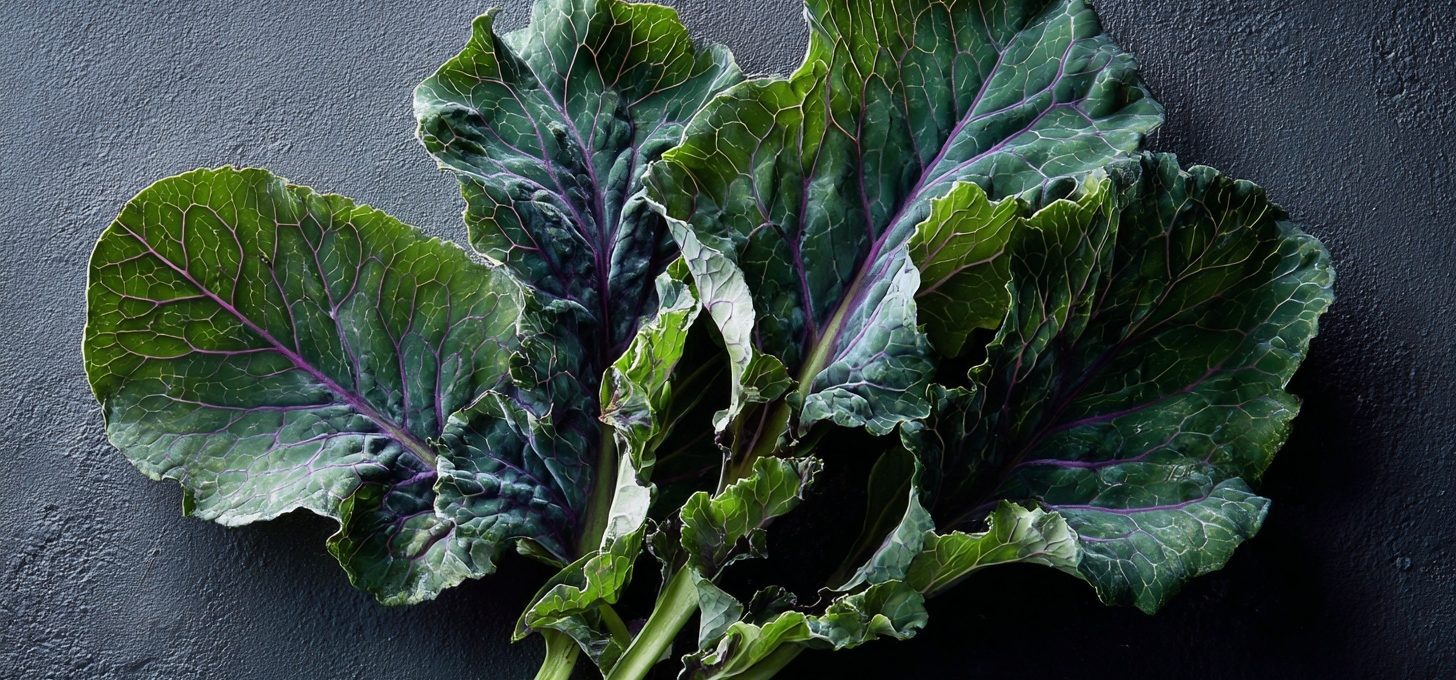
Its broad, slightly blistered leaves, purple-tinged veins, and soft stems make it one of the most versatile winter kales available—equally suited to raw salads, gentle cooking, and high-volume harvests.
🧪 Botanical Background & Breeding Intent
Ursa kale is a deliberate cross between Brassica napus (Russian kale types) and Brassica oleracea (Lacinato/Tuscan lineage). The goal was simple: create a kale that eats like a Russian kale but grows with the structure, size, and resilience of Lacinato.
The result is a plant that combines sweetness, flexibility, and cold tolerance with improved disease resistance and uniform growth.
| Trait | Description |
|---|---|
| Botanical Type | Hybrid (Russian × Tuscan) |
| Leaf Shape | Broad, lightly blistered, flat margins |
| Color | Blue-green leaves with purple veins |
| Cold Tolerance | Excellent; thrives in winter conditions |
| Growth Habit | Upright, productive, uniform |
🥬 Flavor & Texture Profile
Ursa is bred first and foremost for eating quality. Its leaves are tender even at full size, with stems that remain flexible rather than fibrous. Frost exposure enhances its natural sweetness while maintaining a clean, mild brassica flavor.
- Flavor: Mild, lightly sweet, balanced
- Texture: Tender leaves, soft stems
- Bitterness: Very low
- Raw suitability: Excellent
Chef insight: Ursa behaves like a salad kale that doesn’t quit when temperatures drop.
🍽 Culinary Uses & Kitchen Applications
Ursa’s versatility is its defining strength. It performs equally well across raw, lightly cooked, and slow-cooked preparations.
- Raw salads — thin-sliced, lightly dressed
- Massage-free greens — tender without heavy handling
- Sautés — quick wilting, even texture
- Soups & stews — holds structure without toughness
- Fermentation — mild, reliable kraut base
Flavor pairings: citrus, apple, garlic, olive oil, beans, grains, mushrooms, hazelnuts, soft cheeses.
🌿 Growing Ursa Kale in the Pacific Northwest
Ursa was bred with climates like the Pacific Northwest in mind. It tolerates fluctuating temperatures, winter moisture, and short daylight without bolting or bitterness.
Its uniform growth habit makes it ideal for consistent harvest schedules in both home gardens and small-scale production.
| Condition | Recommendation |
|---|---|
| Soil pH | 6.2–7.2 |
| Light | Full sun to partial shade |
| Water | Moderate; tolerates winter rainfall |
| Cold | Excellent frost tolerance |
| Harvest | Cut-and-come-again |
❄️ Why Ursa Is a Standout Winter Kale
Ursa represents modern breeding done correctly—enhancing eating quality without sacrificing resilience. It fills a critical gap between heritage Russian kales and more robust Tuscan types, offering chefs a dependable winter green that requires minimal correction in the kitchen.
For gardeners, it delivers consistent harvests with little fuss. For cooks, it offers sweetness, tenderness, and reliability through the coldest months.
Ursa is not flashy, but it is quietly excellent—and that is exactly what winter cooking demands.