Please note that some of the links on this website are affiliate links. I will earn a commission if you decide to make a purchase after clicking through the link. As an Amazon Associate I earn from qualifying purchases.
Green Curled Scotch: The Classic Heirloom Kale of Northern Climates
Best Chef Recipes — Pacific Northwest Ingredient Series
Green Curled Scotch is one of the oldest and most resilient heirloom kales, with roots in the cool, damp climates of Scotland and Northern Europe. For centuries, it has been prized as a winter staple — a green that thrives in cold, poor light, and lean soils while developing remarkable sweetness and durability. Today, it remains a cornerstone variety for chefs and growers in the Pacific Northwest who value heirloom flavor, high curl density, and robust winter performance.
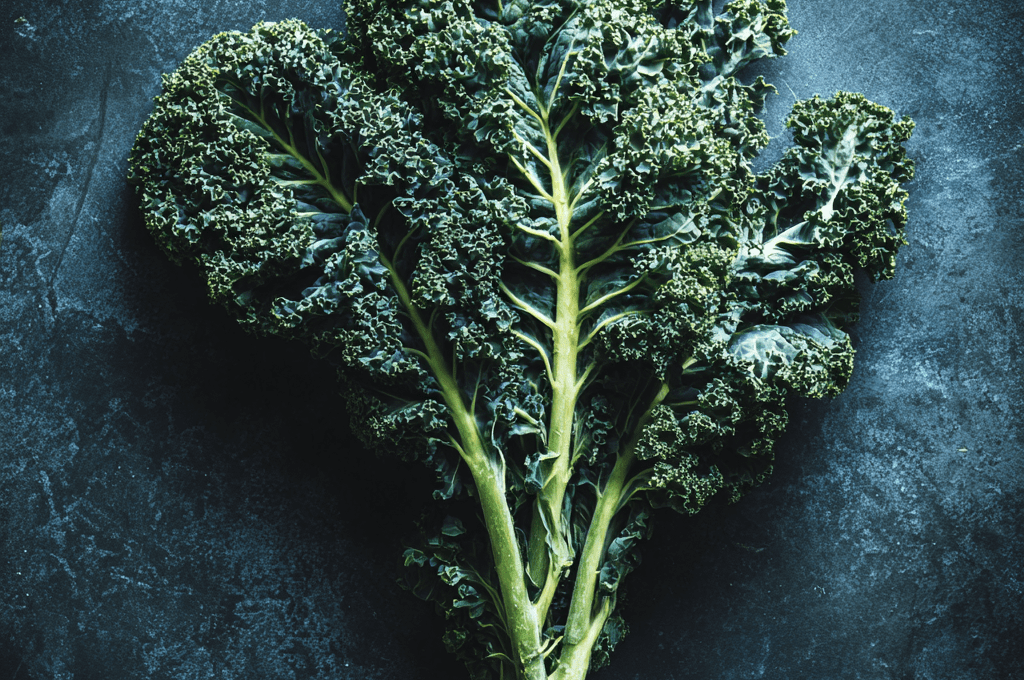
With deeply frilled blue-green leaves and an upright habit, Green Curled Scotch offers exceptional bulk, texture, and cold tolerance. Its curls are finer and more intricate than many modern hybrids, giving dishes distinctive volume and rustic beauty. In the kitchen, this kale excels in hearty preparations — braises, sautés, winter soups, roasted greens — while young leaves can be used raw for traditional or contemporary winter salads.
🌱 Flavor, Texture & Heirloom Character
This variety is defined by its complex mineral-sweet flavor and dense frills. Unlike modern curly types bred for uniformity, Green Curled Scotch has heirloom variability: subtle differences in leaf shape, curl depth, and coloration that chefs and growers appreciate for their authenticity.
| Feature | Description |
|---|---|
| Texture | Fine, intricate curls; hearty structure; excellent for cooking |
| Sweetness | High after frost; moderate raw; earthy undertone |
| Bitterness | Low when winter-grown; earthy and balanced |
| Color | Blue-green with frilled edges; brightens in cold |
| Aroma | Classic brassica with subtle nuttiness when sautéed |
Chef Tip: When preparing raw salads, cut Green Curled Scotch thinly (chiffonade) to soften texture. Its heirloom curls are denser than hybrid curly kales.
🍽 Best Culinary Applications
Green Curled Scotch is a culinary workhorse. Its robust texture holds up beautifully under heat, and its flavor deepens in cooked applications. Young leaves are surprisingly tender, while mature leaves bring satisfying structure to winter dishes.
| Technique | Culinary Benefit |
|---|---|
| Rustic winter salads | Heirloom curls lend body; cold-grown leaves are sweet |
| Braises & sautés | Retains form and picks up aromatics exceptionally well |
| Soup & stew finishing | Leaves resist breakdown; adds hearty texture |
| Roasting | Curls crisp beautifully; edges caramelize |
| Traditional dishes | Perfect for colcannon, kale-potato mash, Scotch broths |
Flavor Pairings: smoked ham hock, garlic butter, roasted carrots, pearl barley, brown butter, shallot cream, bacon lardons, mustard vinaigrettes, cider vinegar, smoked paprika, anchovy oil.
Technique Note: For sautéing, start with aromatics (garlic, shallot) then add kale and finish with vinegar or lemon to lift the earthy sweetness.
🌿 Growing Green Curled Scotch in Cool Climates
This heirloom is built for the cold. In the Pacific Northwest, it thrives from autumn through spring, producing dense heads of curly leaves even when temperatures fall below freezing. It handles poor soils more gracefully than many modern cultivars, reflecting its historic origins as a subsistence crop in harsh northern climates.
Soil, Climate & Fertility Requirements
| Condition | Recommendation |
|---|---|
| Botanical | Brassica oleracea var. sabellica |
| Soil pH | 6.2–6.8 for best nutrient uptake |
| Organic matter | Moderate; performs well even in lean soils |
| Nitrogen | Keep moderate; excessive N reduces frill definition |
| Climate | Extremely frost-hardy; thrives in low light and cold |
Grower Note: The colder it gets, the sweeter this kale becomes. Its flavor peaks after sustained frost periods.
Planting & Harvest Timeline
Green Curled Scotch displays strong vigor throughout the season, but its true excellence emerges in winter when other greens fade. For optimal results, plant mid-summer for fall and winter harvests.
| Season | Strategy | Outcome |
|---|---|---|
| Spring | Harvest baby leaves | Tender, lighter curls |
| Summer | Provide shade during heat waves | Good growth; less color depth |
| Fall / Winter | Allow frost exposure | Sweet, dark, highly frilled leaves |
Chef’s Harvest Guide:
6–10 inch leaves for raw salads; 10–14+ inches for cooking. Stems soften well in braises but should be trimmed for raw service.
❄️ Frost, Color & Cold-Weather Flavor
Green Curled Scotch is one of the most frost-responsive heirloom kales. Cold temperatures increase sugar concentration, intensify color, and enhance leaf firmness — all traits that improve culinary performance.
| Cold Effect | Leaf Response | Culinary Benefit |
|---|---|---|
| Sugar accumulation | Sweeter flavor; reduced bitterness | Ideal for raw winter salads |
| Frill tightening | Denser curls and stronger leaf edges | Better roasting and sautéing texture |
| Color intensification | Deep blue-green pigmentation emerges | Beautiful contrast on white plates |
Technique Tip: Use this kale in dishes benefiting from texture. Its curls maintain shape in both wet and dry heat — a hallmark of heirloom quality.
🐛 Pest & Companion Planting
Cold weather naturally suppresses most pests, but strategic companions help maintain plant vigor and quality through early growth and mild winters.
| Practice | Value |
|---|---|
| Companions: thyme, garlic, onion, sage | Repels pests and enhances soil minerals |
| Avoid mustard-family rotations | Reduces flea beetle population carryover |
| Legume cover crops | Improves soil without excess nitrogen |
| Encourage frost exposure | Improves flavor and leaf tone dramatically |
🍃 Why Green Curled Scotch Belongs in Chef Gardens
Green Curled Scotch is an heirloom that has endured for generations because of its reliability, cold-hardiness, and rich flavor. Its dense curls lend beautiful texture to salads, sautés, and roasted dishes, while frost deepens its sweetness and color. For chefs, it provides an ingredient with both historical significance and modern culinary versatility. For growers, it offers resilience, productivity, and winter reliability.
Use it for rustic preparations or elevate it in fine-dining winter dishes. Green Curled Scotch proves that heirloom kales deliver not only nostalgia but exceptional performance on the modern plate.