Please note that some of the links on this website are affiliate links. I will earn a commission if you decide to make a purchase after clicking through the link. As an Amazon Associate I earn from qualifying purchases.
Hood Strawberries
Best Chef Recipes — Pacific Northwest Ingredient Series
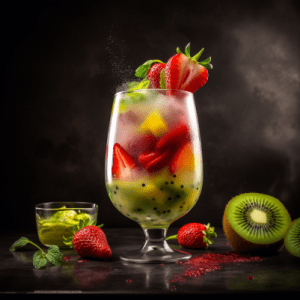
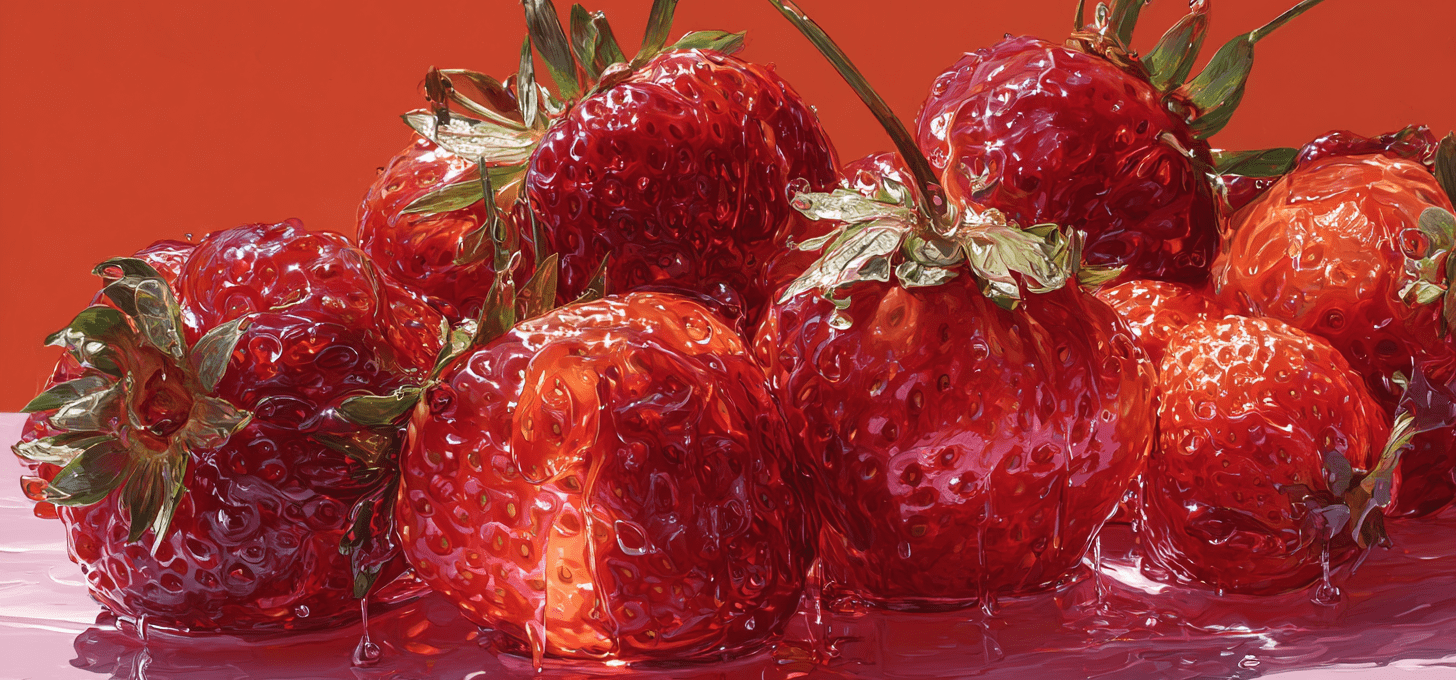
Hood strawberries are the defining strawberry of the Pacific Northwest. Bred in Oregon and adapted to the region’s cool springs and mild early summers, they are prized not for durability or shelf life, but for aroma, balance, and immediacy.
When ripe, a Hood strawberry delivers a concentrated fragrance that precedes sweetness. The flesh is soft, the acidity pronounced, and the finish short. These qualities make the variety unsuitable for long transport or extended storage—but exceptional when handled correctly and used at peak ripeness.
Hood strawberries do not reward delay. They are an ingredient that must be noticed, harvested fully ripe, and used quickly. In return, they offer a flavor profile that few modern commercial strawberries can match.
🧪 Botanical Identity & Breeding Context
The Hood strawberry was developed by Oregon State University as part of a breeding program focused on flavor and regional adaptation rather than industrial durability. Its genetics favor aromatic expression over firmness, making it especially well suited to direct markets and local kitchens.
| Trait | Description |
|---|---|
| Species | Fragaria × ananassa |
| Breeding Origin | Oregon State University |
| Fruit Size | Medium to large |
| Texture | Soft, delicate flesh |
| Cold Adaptation | Excellent for cool spring climates |
🍓 Flavor & Texture Profile
Hood strawberries are aromatic first, sweet second. Their structure emphasizes acidity and fragrance rather than density.
- Aroma: Intense, classic strawberry fragrance
- Sweetness: Moderate, balanced by acidity
- Acidity: Bright and present
- Texture: Tender, fragile, quick to soften
This profile makes them unsuitable for heavy handling but ideal for immediate culinary use.
🍽 Culinary Applications
Hood strawberries perform best in preparations that preserve their aroma and avoid extended heat.
- Fresh eating at peak ripeness
- Light maceration with minimal sugar
- Shortcakes and simple pastries
- Fresh sauces and coulis
- Low-cook or freezer preserves
Extended cooking diminishes their defining qualities. When heat is used, it should be brief and controlled.
🌿 Growing Hood Strawberries in the Pacific Northwest
Hood strawberries are particularly well adapted to the maritime conditions of the Pacific Northwest. Cool nights and moderate daytime temperatures slow sugar accumulation while enhancing aromatic compounds.
| Condition | Recommendation |
|---|---|
| Soil pH | 5.5–6.5 |
| Sun | Full sun with good airflow |
| Water | Consistent moisture, well-drained soil |
| Harvest Window | Late spring to early summer |
| Harvest Practice | Pick fully ripe; does not improve after harvest |
Because Hood strawberries soften quickly, frequent harvests are essential during peak production.
🌸 Why Hood Strawberries Define the PNW Spring
Hood strawberries mark the true arrival of spring in Pacific Northwest kitchens. Their short season and sensitivity reinforce a seasonal mindset rooted in timing rather than volume.
For chefs, they demand restraint and speed. For growers, they reward attentiveness. In the Pacific Northwest, Hood strawberries are not a commodity—they are a moment.