Please note that some of the links on this website are affiliate links. I will earn a commission if you decide to make a purchase after clicking through the link. As an Amazon Associate I earn from qualifying purchases.

Author: Scott Stokes
Prep Time: Estimated 20 minutes
Cook Time: Estimated 4 hours
Total Time: Estimated 4 hours 20 minutes
Yield: Serves 4-6
Cuisine: BBQ
Author: Scott Stokes
Ingredients:
- 3 racks of ribs
- 2 cups apple cider
- 1 cup maple bourbon sugar
- 2 tablespoons BBQ rub
- 1/2 cup BBQ sauce
Instructions:
- Preheat your smoker to 225°F (107°C).
- In a bowl, combine apple cider and maple bourbon sugar to create a marinade.
- Place the ribs in a large dish and pour the marinade over them. Ensure the ribs are well coated. Cover and refrigerate for at least 2 hours or overnight.
- Remove the ribs from the marinade and pat them dry. Apply the BBQ rub evenly on both sides of the ribs.
- Place the ribs on the smoker grates and smoke for 2 hours, maintaining a steady temperature.
- After the initial smoking period, wrap the ribs tightly in aluminum foil and continue smoking for an additional 2 hours until the meat is tender and starts to pull away from the bone.
- Remove the ribs from the smoker and carefully open the foil. Brush the ribs with BBQ sauce and return them to the smoker for another 30 minutes, allowing the sauce to caramelize.
- Once the ribs are done, remove them from the smoker and let them rest for a few minutes before serving.
- Slice the ribs between the bones and serve with extra BBQ sauce on the side.
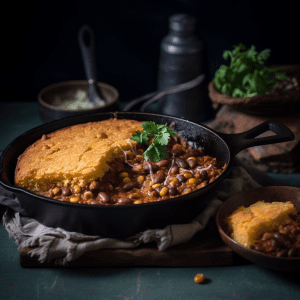
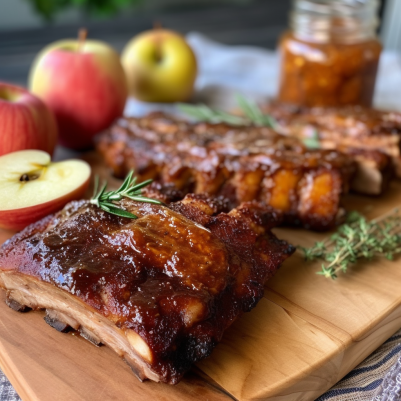
Note: These Apple Cider and Maple Bourbon Sugar Smoked Summer BBQ Ribs pair well with cornbread and coleslaw for a complete barbecue meal.
Dry Rubs
For a versatile all-purpose dry rub, combine equal parts of salt, black pepper, garlic powder, and onion powder. This simple yet flavorful blend complements a wide range of meats, making it a go-to option for various grilling or smoking recipes.
Wet Rubs
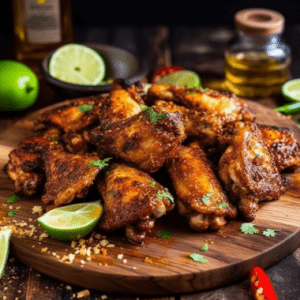
For a spicy and tangy wet rub, combine ingredients like Sriracha sauce, lime juice, soy sauce, honey, minced ginger, and a sprinkle of red pepper flakes. This fiery wet rub is perfect for chicken wings, shrimp skewers, or even roasted cauliflower, delivering a mouthwatering kick of flavor.
Spice Blends
Baharat is a spice blend commonly used in Middle Eastern and North African cuisines. It typically includes a mix of spices like black pepper, cumin, coriander, cinnamon, cloves, and nutmeg. Baharat adds a warm and aromatic flavor to meat dishes, rice pilafs, or even roasted vegetables.
Infused Oils
Infused oils make thoughtful and personalized gifts. Pour your homemade infused oil into decorative bottles and attach a label or tag with suggested uses. They are perfect for housewarmings, hostess gifts, or as part of a gourmet gift basket for food-loving friends and family.
Edible Flowers
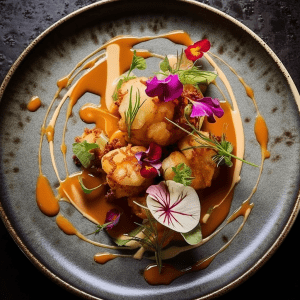
Edible flowers are blossoms that can be consumed as part of a dish or used as garnishes. They add visual appeal and delicate flavors to both sweet and savory dishes. Some common edible flowers include pansies, marigolds, nasturtiums, violets, lavender, and roses. Edible flowers can be used in salads, desserts, cocktails, or as a decorative element on cakes or pastries. It's important to note that not all flowers are edible, so it's essential to use flowers specifically labeled as edible.
Ingredient Pairings
Lemon and seafood are a natural pairing, as the bright acidity of lemon enhances the delicate flavors of fish and shellfish. A squeeze of lemon juice adds a refreshing element to grilled or baked seafood dishes.
Food Facts
The largest food item on Earth is the blue whale. These majestic creatures consume up to 4 tons of tiny shrimp-like animals called krill every day.
Cooking Tips
When baking cookies, chill the dough in the refrigerator for at least 30 minutes before baking. This helps to prevent spreading and results in thicker and chewier cookies.
Ingredient Spotlight
Mango is a tropical fruit known for its juicy, sweet flavor and vibrant color. It can be enjoyed fresh, added to fruit salads, blended into smoothies, or used in both sweet and savory dishes. Mango is popular in Asian, Latin American, and Caribbean cuisines.
Foraging Facts
Some edible wild plants, like stinging nettle, require special handling before consumption to neutralize their stinging hairs. Blanching or cooking is often necessary to eliminate the sting and make them safe to eat.
Baking Hacks
If you run out of baking powder while baking, you can make a substitute by mixing 1 part baking soda with 2 parts cream of tartar. This combination provides the leavening effect needed in many recipes.
Culinary Terms
Blanching is a cooking technique that involves briefly immersing food in boiling water and then transferring it to an ice bath to halt the cooking process. It is commonly used to preserve the color, texture, and flavor of vegetables.