Please note that some of the links on this website are affiliate links. I will earn a commission if you decide to make a purchase after clicking through the link. As an Amazon Associate I earn from qualifying purchases.
White Russian: The Frost-Sweet, Pale-Stemmed Winter Kale of the Pacific Northwest
Best Chef Recipes — Pacific Northwest Ingredient Series
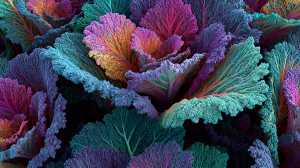
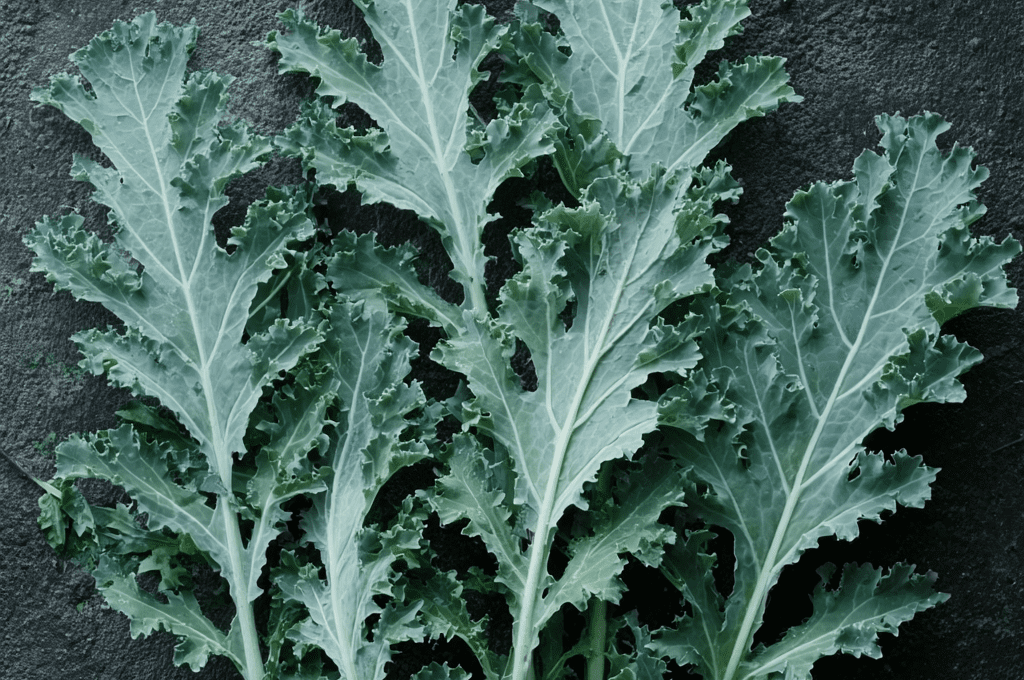
White Russian kale is one of the sweetest and most cold-adapted kales in the Brassica napus family, closely related to Red Russian but with paler stems, a cleaner flavor profile, and extraordinary winter resilience. Its serrated oakleaf form, silvery-green coloration, and frost-induced tenderness make it a standout ingredient for chefs seeking delicate winter greens that require minimal preparation.
Selected in Canada for true overwintering conditions, White Russian thrives in the cool, wet, maritime winters of the Pacific Northwest. Its ability to grow steadily in low light, withstand multiple freezes, and deliver a soft, silky texture even at full maturity makes it a favorite among winter market growers and culinary professionals alike.
🌱 Flavor, Texture & Botanical Identity
White Russian’s defining trait is its remarkable tenderness. The leaves—broad, oakleaf-shaped, and finely serrated—retain a supple texture that softens immediately when exposed to dressing or gentle heat. Compared to Red Russian, its flavor is milder, cleaner, and less mineral-forward, with a bright sweetness that develops after frost.
| Feature | Description |
|---|---|
| Texture | Very tender; velvety mouthfeel; ideal raw |
| Sweetness | High after frost; subtle base sweetness |
| Bitterness | Extremely low; one of the mildest kales |
| Color | Silvery green leaves with pale stems |
| Aroma | Light, clean brassica with faint herbal tones |
Chef Tip: White Russian excels in raw dishes—simply dress, rest 5 minutes, and serve. No massage needed.
🍽 Best Culinary Applications
White Russian is one of the best raw-eating kales available. Its tenderness also makes it perfect for quick sautés, warm salads, and broth finishing. Unlike curly kales, it does not require blanching or long cooking to soften.
| Technique | Culinary Benefit |
|---|---|
| Raw salads | Silky texture; evenly absorbs dressing; sweet after frost |
| Warm wilted salads | Softens immediately; retains shape |
| Quick sautés | Tender within seconds; excellent with garlic and chili |
| Soup finishing | Add at the end—wilts delicately without bitterness |
| Fermentation | Makes a mild, sweet kraut or kimchi blend |
Flavor Pairings: lemon, apple cider vinegar, shallots, tahini, toasted hazelnuts, miso, brown butter, roasted squash, honey mustard, soft cheeses.
🌿 Growing White Russian in the PNW
White Russian was literally bred for cold. Its overwintering ability is unmatched—only the most robust kale varieties such as Siberian or Improved Siberian show similar tolerance. In PNW conditions, it continues growing through winter and bursts into vigorous growth in early spring.
Soil, Climate & Growth Profile
| Condition | Recommendation |
|---|---|
| Botanical | Brassica napus |
| Soil pH | 6.2–7.0; broad tolerance |
| Organic matter | Medium to high; supports leaf tenderness |
| Cold tolerance | Excellent; withstands prolonged frost |
| Ideal use | Fall–winter harvest, overwintering crop |
Grower Note: White Russian survives winter better than many curly types. Expect regrowth in February–March for an early spring flush of leaves.
Planting & Harvest Strategy
White Russian can be used from microgreen stage through full maturity. Its leaves remain tender even as plants get large.
| Stage | Best For |
|---|---|
| Microgreens | Bright, mild flavor; excellent garnish |
| Baby leaf | Premium salad mixes |
| Mature leaves | Soups, sautés, warm salads |
Chef’s Harvest Guide: Harvest 5–8 inch leaves for raw dishes; 10–14 inch leaves for cooking.
❄️ Frost Behavior & Sweetness Development
White Russian produces some of the sweetest kale leaves of any winter variety. Cold triggers starch hydrolysis, increasing soluble sugars and dramatically reducing bitterness. The variety’s pale stems intensify in translucence after frost, giving the leaves a luminous appearance on the plate.
| Cold Effect | Response | Culinary Benefit |
|---|---|---|
| Sugar increase | Leaves become bright and sweet | Exceptional raw salads |
| Bitterness reduction | Smooth, clean flavor | No massaging needed |
| Leaf softening | Ultra-tender post-frost | Ideal for quick warm dishes |
Technique Tip: Dress White Russian at the last moment—it softens much faster than curly kales.
🤍 Why White Russian Belongs in Chef Gardens
White Russian kale offers a rare combination of winter sweetness, tenderness, and cold resilience. For chefs, it provides a winter green that excels in raw and warm preparations without the toughness associated with many kale varieties. For growers, it offers steady growth through winter and an early spring flush that bridges the seasonal gap.
Use White Russian where delicacy matters—bright raw salads, warm wilted greens, refined sides, or fermentation blends. It is one of the purest expressions of winter-grown produce in the Pacific Northwest.