Please note that some of the links on this website are affiliate links. I will earn a commission if you decide to make a purchase after clicking through the link. As an Amazon Associate I earn from qualifying purchases.
What’s Actually in Season Right Now in the Pacific Northwest (And Why It Matters for Your Kitchen)
Best Chef Recipes — Pacific Northwest Seasonal Ingredient Series
One of the most common things I hear in winter is: “There’s nothing in season right now.” In the Pacific Northwest, that couldn’t be further from the truth.
Our region has one of the most unique food ecosystems in North America. Mild maritime winters, cold coastal waters, rich soils, and strong storage traditions mean that winter is not a season of scarcity — it’s a season of depth, sweetness, and quiet abundance.
This article is a practical guide to what’s truly in season in the PNW right now, and why it matters for how you shop, cook, and eat at home.
🧪 What “In Season” Really Means in the Pacific Northwest
In much of the country, winter shuts down fresh food production. Here, it reshapes it.
Seasonality in the Pacific Northwest comes from four overlapping systems:
- Living winter crops that continue growing through frost
- Stored fall harvests designed to peak in winter
- Cold-water seafood that reaches its prime in winter
- Wild and semi-wild foods sustained by moisture and mild temperatures
Cold exposure increases sugar content, mineral expression, and nutrient density — making many winter foods objectively better than their summer counterparts.
🥬 Winter Greens: The Backbone of the Cold Season
Winter is when greens truly shine in the Pacific Northwest. Many brassicas improve after frost, converting starches into sugars as a survival response.
- Kale (Red Russian, Siberian, White Russian, Lacinato, Winterbor)
- Brussels sprouts
- Savoy, green, red, and Napa cabbage
- Collard greens
- Mustard greens, mizuna, tatsoi
- Leeks and overwintering green onions
These greens are sweeter, less bitter, and more tender in winter — ideal for soups, sautés, and raw salads.
🌿 Roots & Stored Crops: Winter Sweetness by Design
Root vegetables are not just leftovers from fall. They are biologically and technologically designed to peak in winter.
- Carrots
- Parsnips
- Beets (red, golden, Chioggia)
- Turnips and rutabaga
- Celeriac (celery root)
- Potatoes (russet, Yukon, fingerling, purple)
- Jerusalem artichokes (sunchokes)
- Daikon and winter radishes
Cold temperatures trigger starch-to-sugar conversion, which is why winter roots roast so beautifully.
🎃 Winter Squash & Orchard Fruit
Many winter squashes and orchard fruits are harvested in fall but intentionally eaten later, once their flavors fully mature.
- Kabocha
- Butternut
- Delicata
- Acorn and carnival squash
- Pie pumpkins
Stored fruit remains central to winter cooking:
- Apples (Honeycrisp, Fuji, Gala, Pink Lady)
- Pears (Comice, Bosc, Anjou)
- Cranberries from coastal bogs
🐟 Cold-Water Seafood: Winter Is Peak Season
The ocean operates opposite the land. Winter is when cold-water seafood reaches its peak quality.
- Dungeness crab
- Pacific, Kumamoto, and Olympia oysters
- Manila clams and mussels
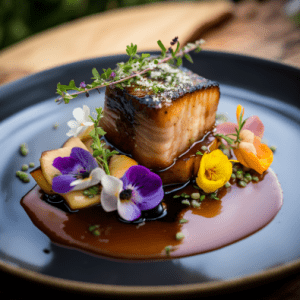
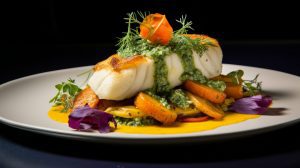
- Black cod (sablefish)
- Frozen local salmon preserved at peak freshness
Cold water increases glycogen in shellfish, producing sweeter, creamier oysters — which is why winter has always been oyster season.
🌾 Ancient Grains & Pantry Staples
Winter cooking naturally leans into grains — especially ancient grains that pair beautifully with roots and greens.
- Einkorn
- Emmer (farro)
- Spelt
- Barley
- Rye
- Sorghum
These grains provide warmth, structure, and nutrition for soups, bowls, and slow meals.
🧠 Why Seasonal Eating Matters at Home
Seasonal cooking isn’t about trends. It’s about:
- Better flavor
- Better nutrition
- Lower cost
- Less waste
- Easier cooking
👨🍳 A Chef’s Perspective
Winter is slower, more intentional, and more honest. It favors sweetness, fat, salt, and depth over brightness.
If winter cooking ever feels difficult, the solution is rarely new recipes — it’s understanding what the season already provides.
❄️ Closing Thought
The Pacific Northwest doesn’t go dormant in winter. It concentrates.
Once you understand what’s truly in season, winter cooking becomes simpler, more affordable, and deeply satisfying.