Please note that some of the links on this website are affiliate links. I will earn a commission if you decide to make a purchase after clicking through the link. As an Amazon Associate I earn from qualifying purchases.
Crème Fraîche, Made Well
Best Chef Recipes — Kitchen Foundations
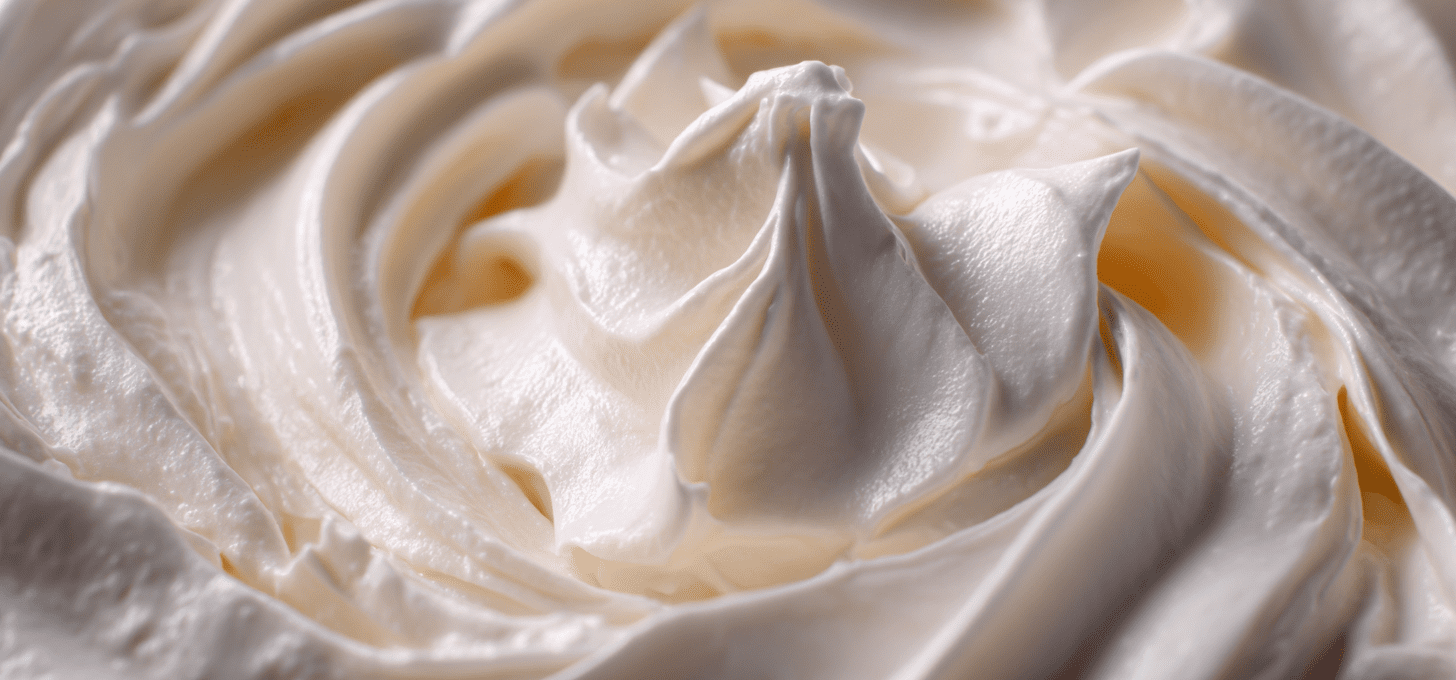
Crème fraîche is not a substitute for sour cream, nor is it simply cream with acidity. When made properly, it is thick without heaviness, tangy without sharpness, and stable under heat. Its value lies in balance—fat carrying acidity, acidity sharpening fat.
In both professional and home kitchens, crème fraîche functions as a quiet structural element. It rounds sauces, softens fruit, stabilizes desserts, and finishes savory dishes without breaking. Making it in-house allows control over flavor, texture, and freshness that store-bought versions rarely offer.
This preparation relies on time rather than technique. Once learned, it becomes a staple rather than a recipe.
🧪 What Defines Good Crème Fraîche
- Thick but spoonable consistency
- Gentle lactic acidity, never sharp
- Clean dairy flavor
- Heat stability for cooking applications
True crème fraîche is cultured, not whipped, and thickens through fermentation rather than reduction.
🍽 Crème Fraîche (Makes ~1 cup)
Ingredients
- 1 cup heavy cream (preferably not ultra-pasteurized)
- 2 tbsp cultured buttermilk or plain yogurt (with live cultures)
🔥 Method
- Combine the cream and buttermilk (or yogurt) in a clean jar or bowl.
- Stir gently to incorporate.
- Cover loosely with a lid or cloth to allow airflow.
- Leave at room temperature for 12–24 hours, depending on warmth.
- When thickened and lightly tangy, refrigerate to stop fermentation.
The crème fraîche will continue to firm slightly as it chills.
❄️ Storage & Use
Crème fraîche keeps refrigerated for up to 7–10 days. Always use a clean spoon to prevent contamination.
If it thickens beyond preference, it can be loosened with a small amount of cream. If acidity increases slightly over time, it remains usable in cooked applications.
🍓 Culinary Applications
Crème fraîche excels where both richness and acidity are needed without dominance.
- Fruit desserts and compotes
- Grain-based desserts (rye, barley, oats)
- Pan sauces and reductions
- Soups and purées
- Egg dishes and vegetables
Unlike sour cream, it can be heated gently without breaking, making it especially useful in warm dishes.
🌿 Why Make It Yourself
Homemade crème fraîche offers control. Flavor is cleaner, texture is softer, and acidity can be tailored by fermentation time. In seasonal cooking, it acts as a bridge—connecting fruit to grain, vegetables to fat, and sharpness to depth.
Once established, it becomes less of a recipe and more of a habit.