Please note that some of the links on this website are affiliate links. I will earn a commission if you decide to make a purchase after clicking through the link. As an Amazon Associate I earn from qualifying purchases.
Einkorn: The Oldest Cultivated Wheat and Its Modern Culinary Revival
Best Chef Recipes — Ancient Grain Series
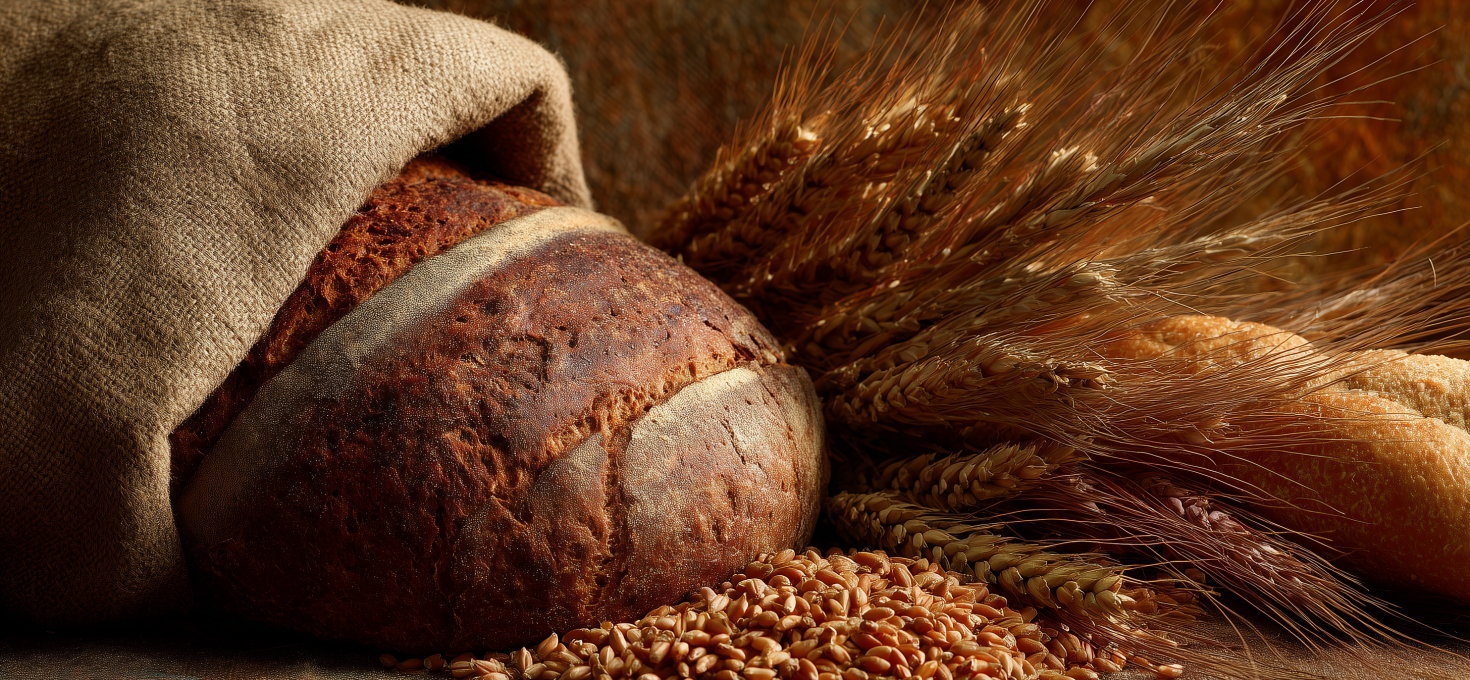
Einkorn (Triticum monococcum) is the earliest domesticated wheat known to human civilization. With a history dating back over 10,000 years, it predates modern bread wheat and remains genetically closest to its wild ancestors. Its small golden kernels, high carotenoid content, and naturally sweet, buttery flavor make it one of the most distinctive grains in the modern chef’s pantry.
From a culinary perspective, einkorn offers an unusually tender texture and deep aromatic profile, while its weak gluten structure lends itself to cakes, quick breads, porridges, and soft rustic loaves. In the kitchen, it behaves more like a cross between soft wheat and farro — making it ideal for chefs seeking heritage character without the density of spelt or emmer.
🌾 Processing Einkorn: Whole, Cracked, and Fresh-Milled Flour
Einkorn can be used in several forms, each requiring its own technique. Because einkorn grains are small and tightly hulled, processing is slightly more involved than with modern wheat, but the result is nutritionally superior flour rich in lutein and beta-carotene.
1. Whole Grain Einkorn
Whole einkorn functions similarly to farro but cooks more quickly. Its kernels retain a soft chew with a warm, buttery aroma.
- Rinse well to remove dust from hull remnants.
- Soak 8–12 hours for best hydration.
- Cook ratio: 1 cup einkorn : 2¾ cups water or stock.
- Simmer 30–40 minutes until tender.
Use in: warm grain bowls, salads, pilafs, soups, slow roasts, or breakfast porridges.
2. Cracked Einkorn (Coarsely Ground)
Cracking einkorn (using a grain mill set to coarse) transforms it into a quick-cooking porridge grain with a nutty aroma. This is one of the oldest human uses for einkorn.
- Cook ratio: 1 cup cracked einkorn : 3 cups water/stock.
- Simmer 15–20 minutes for porridge or polenta-like consistency.
Use in: breakfast bowls, savory porridges, risotto-style dishes.
3. Fresh-Milled Einkorn Flour
Einkorn flour is pale gold, fragrant, and exceptionally soft. Its low gluten resilience means it absorbs liquid more slowly and requires gentler handling.
- Hydration: Use 15–20% less liquid than modern wheat.
- Mixing: Minimal kneading; einkorn gluten breaks down quickly.
- Fermentation: Prefer short or hybrid fermentation rather than long sourdough rises.
Use for: cakes, cookies, flatbreads, muffins, tender rustic loaves, crepes.
🍽 Culinary Flavor Profile
| Characteristic | Description |
|---|---|
| Flavor | Buttery, sweet, lightly nutty |
| Aroma | Warm cereal, honey, toasted grain |
| Texture | Soft, tender, subtly chewy |
| Color | Golden with high carotenoids |
Chef Tip: Einkorn’s natural sweetness pairs exceptionally well with roasted fruit, cultured dairy, honey, citrus, and aromatic herbs like rosemary and thyme.
🍽 Traditional Recipe: Ancient Einkorn Porridge with Honey & Citrus
This recipe is inspired by early Mediterranean preparations of einkorn — simple, warming, and centered on the grain’s natural sweetness.
Ingredients
- 1 cup whole einkorn, soaked overnight
- 2 ¾ cups water or light stock
- Pinch of sea salt
- 2 tbsp honey (or date syrup for authenticity)
- 1 tbsp butter or olive oil
- Fresh grated citrus zest (lemon or orange)
- Optional: toasted nuts, dried figs, warm spices
Instructions
- Rinse the soaked einkorn thoroughly.
- Combine einkorn, water, and salt in a saucepan. Bring to a simmer.
- Reduce heat and cook 30–35 minutes until grains are tender and the liquid is absorbed.
- Stir in butter or olive oil, then fold in honey to taste.
- Finish with fresh citrus zest and any optional toppings.
- Serve warm as a breakfast bowl or as a base for roasted fruit.
Chef Variation: For savory service, omit the honey and citrus and finish with smoked salt, charred onions, herbs, and a soft poached egg.
🌱 Why Chefs Are Returning to Einkorn
Einkorn represents the intersection of heritage agriculture and modern nutritional awareness. Its soft texture, golden color, and gentle gluten structure make it an exceptional grain for pastry chefs, bakers, and chefs seeking ancient-world authenticity on contemporary menus.
Whether used whole, cracked, or fresh-milled, einkorn brings warmth, sweetness, and depth to winter dishes — echoing a lineage that stretches back to the earliest human kitchens.