Please note that some of the links on this website are affiliate links. I will earn a commission if you decide to make a purchase after clicking through the link. As an Amazon Associate I earn from qualifying purchases.
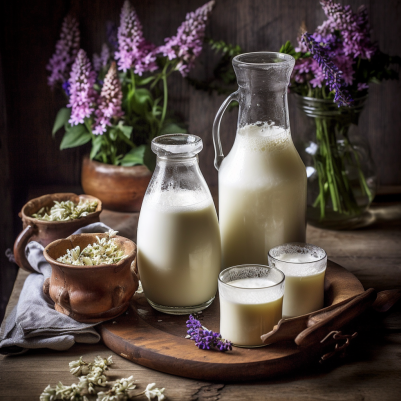
Welcome, fellow culinary enthusiasts, to a journey of flavor and delight as we unlock the secrets of making the finest buttermilk. In this comprehensive guide, we will delve into the art of crafting this tangy elixir, exploring its composition, health benefits, and versatile applications. Join us as we embark on a quest to master the art of making buttermilk that will leave your taste buds in awe.
The Essence of Buttermilk: Defining its Composition
To truly grasp the essence of buttermilk, we must understand its composition. Picture a velvety, tangy elixir, born from the remnants of butter-making. Buttermilk, with its creamy texture and distinctive tang, derives its magic from a harmonious blend of milk solids, proteins, and lactic acid. This unique concoction creates a flavor symphony that elevates culinary creations to new heights.
Unlocking Health Benefits: A Tangy Delight for Well-being
Beyond its culinary charm, buttermilk also boasts remarkable health benefits. Packed with calcium, potassium, and essential vitamins, it nourishes our bodies while tantalizing our taste buds. Buttermilk’s probiotic properties promote healthy digestion and gut health, fortifying our bodies from the inside out. And let’s not forget the bone-strengthening powers of calcium, ensuring our culinary adventures are backed by strong foundations.

The Craft of Homemade Buttermilk: Exploring the Artistry
Ah, the allure of crafting our own buttermilk! With a touch of patience and a sprinkle of artistry, we can unlock a world of flavor. While store-bought options abound, embracing the homemade approach allows us to infuse our creations with love and authenticity. Culturing milk with lactic acid bacteria, we witness the alchemy unfold, transforming ordinary milk into the tangy elixir that is buttermilk. It’s an art form that invites us to take control of our culinary destiny.
(*Psst! Speaking of homemade, if you’re looking for quality tools to aid you in your buttermilk-making adventures, check out this Buttermilk Bakings Mold to add a touch of elegance to your creations!)

Versatility Unleashed: Buttermilk in Culinary Creations
Now that we possess the almighty power of homemade buttermilk, let us explore its boundless culinary applications. Imagine tenderizing meats, such as chicken or pork, through the magic of buttermilk marinades. The lactic acid works its wonders, resulting in succulent, flavorful masterpieces. Buttermilk’s enchanting properties don’t stop there. In the realm of baked goods, it imparts moisture, tenderness, and a hint of tang. Cakes, muffins, and biscuits rise to new heights, thanks to this transformative elixir.
(*Oh, and before we delve deeper into the wonders of buttermilk in cooking, don’t forget to check out this Buttermilk Waffle Maker)

The Buttermilk Symphony: Exploring Flavors and Variations
As we continue our culinary exploration, let us embrace the symphony of flavors that accompanies buttermilk. Adding herbs and spices to this tangy elixir awakens a new dimension of taste. Imagine the refreshing zest of dill, the aromatic dance of basil, or the warm embrace of cumin infusing your buttermilk creations. Buttermilk’s versatility extends to the realm of desserts too. Drizzle honey, maple syrup, or sprinkle a dash of cinnamon into buttermilk to create a delectable treat that satisfies your sweet tooth.
Conclusion: A Journey of Buttermilk Mastery
Our quest to master the art of making buttermilk has reached its crescendo. From understanding its composition and unlocking its health benefits to exploring its versatility in culinary creations, we have witnessed the magic of buttermilk unfold before our eyes. As you embark on your own buttermilk adventures, remember to embrace the craft of homemade buttermilk, infusing love and authenticity into every batch. Let your creativity soar as you experiment with the multitude of flavors and variations that buttermilk offers.
(As we bid farewell, let’s not forget to check out this Buttermilk Biscuit Cutter Set to create perfectly shaped, flaky biscuits that will impress even the most discerning palates!)
With your newfound mastery of buttermilk, may your culinary creations shine with the tangy allure of this magical elixir. So go forth, fellow chefs, and let the symphony of buttermilk enrich your culinary endeavors like never before. Cheers to the wonders of buttermilk, the art of making, and the endless possibilities it holds.
Marinades
Marinades are a fantastic way to infuse your meats with flavor and tenderize them at the same time. By combining ingredients like citrus juices, vinegar, herbs, and spices, you can create a delicious marinade that will enhance the taste and texture of your meats. If you're looking for high-quality marinade injectors to ensure even distribution of flavor, check out these Home and Gift Ideas.
For a bold and spicy kick, try a chili lime marinade. Combine lime juice, olive oil, minced garlic, chopped cilantro, chili powder, cumin, and a pinch of salt. Marinate your choice of protein for at least 30 minutes before grilling or roasting. The result is a tangy and zesty flavor that pairs well with grilled chicken or shrimp.
If you prefer a sweet and savory marinade, consider a teriyaki marinade. Mix soy sauce, brown sugar, minced ginger, minced garlic, sesame oil, and a splash of pineapple juice. Marinate your meats for a few hours to overnight, and then cook them to perfection. The teriyaki marinade adds a delicious umami flavor to chicken, beef, or salmon.
For a Mediterranean-inspired marinade, combine olive oil, lemon juice, minced garlic, dried oregano, dried thyme, and a touch of honey. Marinate your choice of protein for a few hours, and then grill or sauté it. The Mediterranean marinade infuses the meat with a fresh and herbaceous flavor that pairs well with lamb, pork, or vegetables.
Dry Mixes
Dry mixes are convenient and versatile flavor enhancers that can be used in a variety of dishes. They are typically made by combining dried herbs, spices, and other seasonings. Dry mixes are a great way to add quick and easy flavor to meats, vegetables, dips, and more. If you're in need of high-quality spice grinders to freshly grind your spices for dry mixes, take a look at these Home and Gift Ideas.
One popular dry mix is taco seasoning. Combine chili powder, cumin, paprika, garlic powder, onion powder, oregano, salt, and pepper. Use this mix to season ground beef or chicken for flavorful tacos, nachos, or quesadillas.
Another versatile dry mix is Italian seasoning. Mix dried basil, dried oregano, dried thyme, dried rosemary, dried parsley, and garlic powder. This blend is perfect for seasoning pasta dishes, roasted vegetables, or homemade pizzas.
For a spicy kick, try a Cajun seasoning mix. Combine paprika, garlic powder, onion powder, dried thyme, dried oregano, cayenne pepper, black pepper, and salt. Use this mix to add flavor to shrimp, chicken, or roasted potatoes. It's also great for making Cajun-inspired dishes like jambalaya or gumbo.
Sauces
Sauces are the perfect accompaniment to many dishes, adding richness and flavor. From tangy barbecue sauce to creamy aioli, there's a sauce to suit every taste. Making your own sauces at home allows you to customize the flavors and adjust the ingredients to your liking. If you're in need of high-quality saucepans for making delicious homemade sauces, check out these Home and Gift Ideas.
One classic sauce is hollandaise sauce. This rich and creamy sauce is made with egg yolks, melted butter, lemon juice, and a pinch of salt. It's traditionally served with eggs Benedict or as a topping for steamed asparagus.
If you're a fan of spicy flavors, try making a homemade sriracha sauce. Blend together red chili peppers, garlic, vinegar, sugar, and salt. This fiery sauce adds a kick to dishes like stir-fries, tacos, or roasted vegetables.
For a tangy and smoky barbecue sauce, combine ketchup, brown sugar, Worcestershire sauce, apple cider vinegar, smoked paprika, garlic powder, and onion powder. Simmer the sauce until it thickens, and then use it to glaze grilled meats or as a dipping sauce for chicken wings.
Dressings
Dressings are a great way to enhance the flavors of salads, sandwiches, and wraps. Making your own dressings allows you to control the ingredients and customize the flavors to your liking. From creamy ranch to tangy vinaigrettes, there's a dressing for every salad. If you're looking for high-quality salad dressing shakers for easy mixing and serving, check out these Home and Gift Ideas.
One popular dressing is balsamic vinaigrette. Whisk together balsamic vinegar, Dijon mustard, honey, minced garlic, salt, and pepper. Drizzle this tangy and slightly sweet dressing over mixed greens or use it as a marinade for grilled vegetables.
For a creamy option, make your own Caesar dressing. Blend together mayonnaise, anchovy fillets, grated Parmesan cheese, minced garlic, lemon juice, Worcestershire sauce, and black pepper. Toss this rich and garlicky dressing with crisp romaine lettuce, croutons, and shaved Parmesan cheese.
If you're a fan of Asian flavors, try a sesame ginger dressing. Whisk together soy sauce, rice vinegar, sesame oil, grated ginger, honey, and minced garlic. This dressing pairs well with mixed greens, crunchy vegetables, or as a marinade for grilled chicken or shrimp.
Condiments
Condiments are the finishing touch that can take a dish from good to great. From tangy mustard to spicy hot sauce, condiments add flavor and depth to a variety of foods. Making your own condiments allows you to experiment with different flavors and adjust the ingredients to suit your taste. If you're in need of high-quality condiment squeeze bottles for easy dispensing, take a look at these Home and Gift Ideas.
One classic condiment is homemade ketchup. Simmer together tomato paste, vinegar, brown sugar, onion powder, garlic powder, and a pinch of salt. This tangy and slightly sweet ketchup is perfect for dipping fries, burgers, or hot dogs.
If you're a fan of spicy condiments, try making your own hot sauce. Blend together chili peppers, vinegar, garlic, salt, and a touch of sugar. Adjust the heat level by adding more or fewer chili peppers. Drizzle this fiery sauce over tacos, eggs, or grilled meats.
For a tangy and refreshing condiment, make your own tzatziki sauce. Combine Greek yogurt, grated cucumber, minced garlic, lemon juice, chopped fresh dill, salt, and pepper. This creamy and herby sauce is great for dipping pita bread, spreading on sandwiches, or as a topping for grilled meats.
Ingredient Pairings
Watermelon and feta cheese make a refreshing and unexpected combination. The sweet and juicy taste of watermelon pairs well with the salty and tangy flavor of feta cheese, creating a unique and delicious salad or appetizer.
Food Facts
Did you know that honey never spoils? Archaeologists have found pots of honey in ancient Egyptian tombs that are over 3,000 years old and still perfectly edible.
Cooking Tips
When boiling pasta, add a generous amount of salt to the boiling water. This helps to season the pasta from the inside out and enhances its flavor.
Ingredient Spotlight
Turmeric is a vibrant yellow spice with a warm and earthy flavor. It is commonly used in Indian and Southeast Asian cuisines. Turmeric adds color and depth to curries, rice dishes, and sauces.
Foraging Facts
Foraging can be a great way to connect with nature and engage in mindful activities. Take the time to observe your surroundings, appreciate the beauty of the natural world, and learn about the ecosystems in which these wild foods thrive.
Baking Hacks
If you need to soften brown sugar that has become hard, place a slice of bread or a damp paper towel in the container with the sugar overnight. The moisture will help soften the sugar.
Culinary Terms
Searing is the process of quickly browning the surface of food in a hot pan or oven. It helps develop a rich flavor and attractive color crust on meats and other ingredients.
Dry Rubs
If you're a fan of smoky flavors, incorporate smoked paprika or chipotle powder into your dry rub. These spices lend a delightful smokiness to meats, especially when combined with other ingredients like brown sugar, cumin, and garlic powder.
Wet Rubs
To create an Asian-inspired wet rub, incorporate ingredients like soy sauce, ginger, garlic, sesame oil, and a touch of honey. This savory and slightly sweet wet rub complements meats like chicken, beef, or pork, infusing them with delicious umami flavors.
Spice Blends
Taco seasoning is a must-have for Tex-Mex-inspired dishes. This blend typically includes chili powder, cumin, paprika, garlic powder, onion powder, oregano, salt, and pepper. It adds a bold and savory flavor to ground beef or chicken for tacos, enchiladas, or quesadillas.
Infused Oils
Infused oils can elevate simple dishes by adding layers of flavor and complexity. Whether drizzled over roasted vegetables, used as a finishing touch for grilled meats, or incorporated into marinades and dressings, they have the power to transform ordinary meals into extraordinary culinary experiences.
Edible Flowers
One example of using edible flowers is to make a floral-infused syrup. Combine sugar, water, and edible flowers like lavender or rose petals in a saucepan, heat gently until the sugar dissolves, then let it cool and strain out the flowers. The resulting syrup can be used to flavor beverages, desserts, or even drizzled over pancakes or waffles for a touch of floral sweetness.