Please note that some of the links on this website are affiliate links. I will earn a commission if you decide to make a purchase after clicking through the link. As an Amazon Associate I earn from qualifying purchases.
Ragged Jack Kale: The Ornamental, Sweet, and Resilient Heirloom of Winter Gardens
Best Chef Recipes — Pacific Northwest Ingredient Series
Ragged Jack kale—also known as Russian Red—is a pre-1885 heirloom variety with deep historical roots and remarkable culinary versatility. Botanically classified as Brassica oleracea ‘Ragged Jack,’ this variety originated in Siberia and was introduced to North America through Russian trade routes, eventually becoming well adapted to the cold, maritime climates of Canada and the Pacific Northwest.
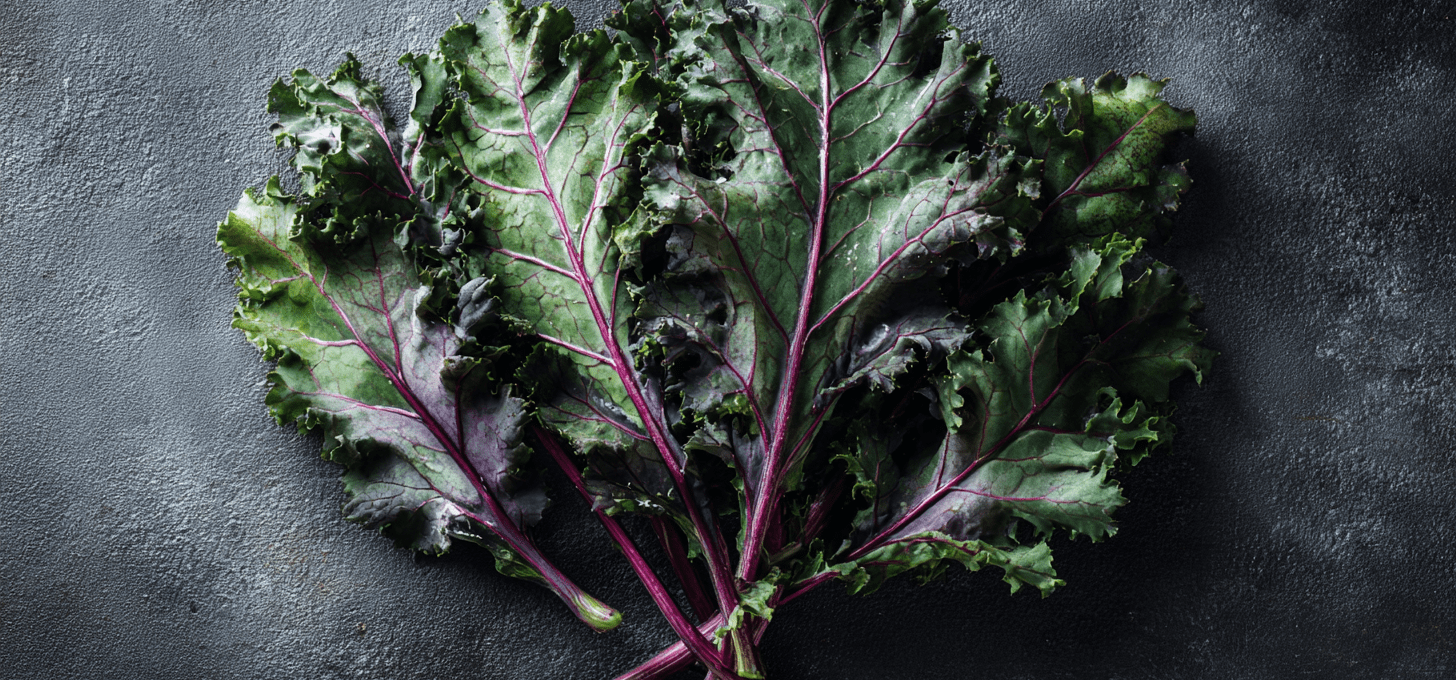
With its oak-leaf shape, frilled edges, purple-red stems, and soft red-tinged foliage, Ragged Jack occupies a rare position among kales: equally valuable in the kitchen, the winter garden, and the pollinator landscape.
🧪 Botanical Identity & Heirloom History
Unlike the Brassica napus Russian kales (such as Red or White Russian), Ragged Jack belongs to the oleracea lineage, making it genetically closer to cabbages and curly kales. What sets it apart is its leaf architecture—oak-leaf shaped but deeply ragged, frilled, and flexible.
This kale was cultivated long before modern breeding programs and retains a resilience shaped by cold climates, irregular seasons, and low-input farming. Its ability to self-seed and overwinter makes it a true heritage survivor.
| Trait | Description |
|---|---|
| Botanical | Brassica oleracea ‘Ragged Jack’ |
| Leaf Shape | Oak-leaf with frilled, ragged margins |
| Color | Green leaves with red tinge; purple-red stems |
| Cold Tolerance | High; thrives through frost |
| Growth Habit | Open, ornamental, unfussy |
🥬 Flavor & Texture Profile
Ragged Jack kale offers a sweetness and tenderness unusual for an oleracea kale. Its leaves soften quickly, making them suitable for raw applications when young and gentle cooking when mature. Frost further enhances sweetness while reducing bitterness.
- Flavor: Mild, lightly sweet, clean brassica
- Texture: Tender, flexible, lightly toothsome
- Bitterness: Low, especially after frost
- Aroma: Fresh greens with faint earthiness
Chef Insight: Ragged Jack bridges the gap between Russian kales and curly types—soft enough for salads, structured enough for cooking.
🍽 Culinary Uses & Kitchen Applications
This kale is exceptionally versatile. Its beauty makes it ideal for raw presentations, while its structure allows it to hold up in stews, sautés, and braises.
- Raw salads — young leaves sliced thin, lightly dressed
- Quick sautés — wilts evenly without toughness
- Stews & soups — adds color and sweetness
- Fermentation — mild, tender kraut blends
- Garnish & plating — ornamental leaf shape shines
Flavor Pairings: lemon, apple cider vinegar, garlic, chili oil, toasted seeds, white beans, roasted squash, hazelnuts, soft cheeses.
🌿 Growing Ragged Jack in the Pacific Northwest
Ragged Jack is famously unfussy. It tolerates cold, wet soils, variable light, and minimal care. This makes it ideal for home gardens, ornamental borders, and mixed plantings.
Its open growth habit and colorful stems give it visual appeal even in winter, when many beds go dormant.
| Condition | Recommendation |
|---|---|
| Soil pH | 6.2–7.2 |
| Light | Full sun to partial shade |
| Water | Moderate; tolerates winter moisture |
| Cold | Excellent frost tolerance |
| Maintenance | Low; thrives with minimal input |
🐝 Ecological Value & Garden Benefits
When allowed to overwinter and flower, Ragged Jack becomes a valuable early-season nectar and pollen source for bees—particularly important during late winter and early spring when food is scarce.
It readily self-seeds, ensuring future crops with little intervention. This makes it ideal for regenerative gardens, permaculture systems, and mixed ornamental beds.
- Supports early pollinators
- Self-seeds easily
- Attractive in edible landscapes
- Cold-season visual interest
❄️ Why Ragged Jack Deserves a Place in Chef & Home Gardens
Ragged Jack kale is a rare convergence of beauty, resilience, and flavor. It performs equally well as a winter green, an ornamental border plant, and a pollinator resource. For chefs, it offers color, tenderness, and versatility. For gardeners, it rewards neglect, survives winter, and returns year after year.
In a seasonal kitchen rooted in place, Ragged Jack represents what winter food should be: resilient, nourishing, and quietly beautiful.