Please note that some of the links on this website are affiliate links. I will earn a commission if you decide to make a purchase after clicking through the link. As an Amazon Associate I earn from qualifying purchases.
Strawberries, Considered
Best Chef Recipes — Pacific Northwest Ingredient Series
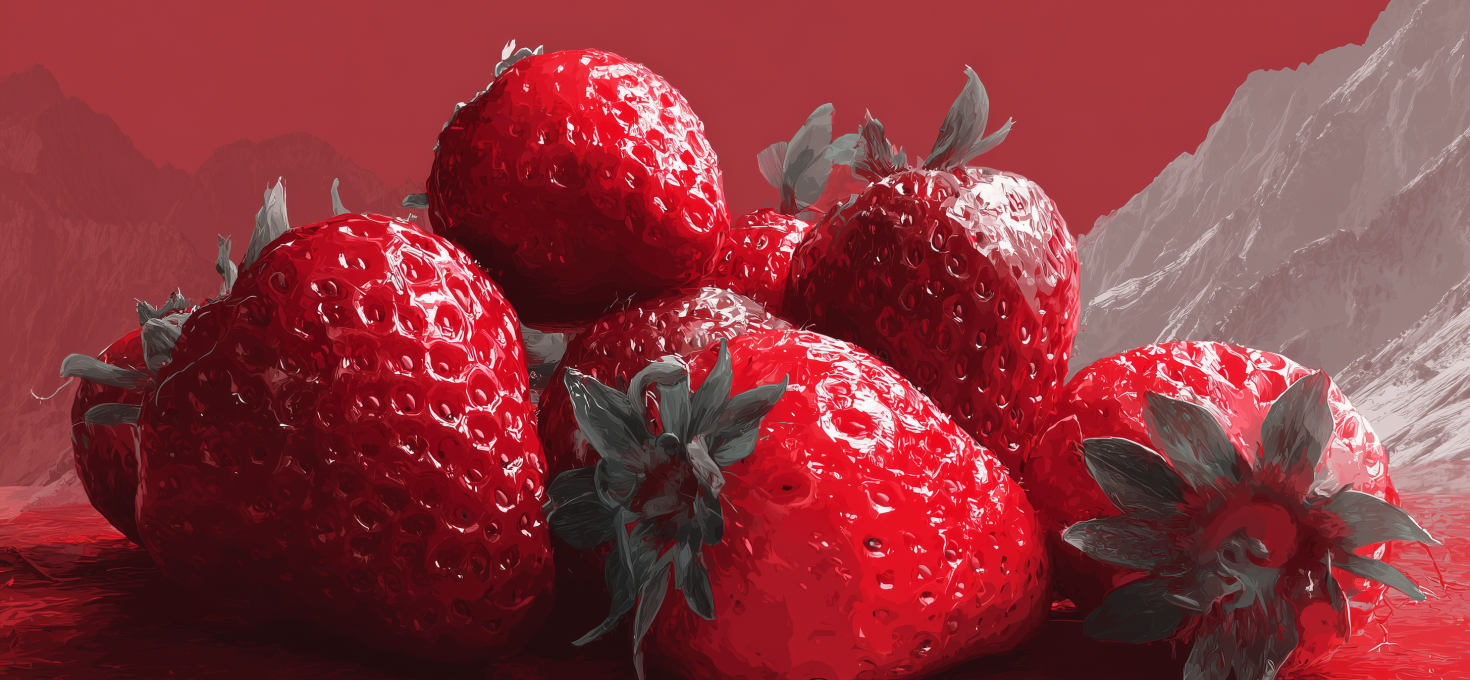
Strawberries are decisive ingredients. They announce themselves immediately—through aroma, color, and acidity—and they tolerate very little indifference. In the Pacific Northwest, where cool nights, maritime air, and long daylight hours define the growing season, strawberries develop balance rather than excess. Sweetness never stands alone; acidity remains present, texture stays fragile, and flavor arrives quickly before fading just as fast.
A good strawberry is not sweet first. It is aromatic first. That volatility is not a flaw but a signal. Strawberries grown well in the PNW are meant to be noticed, handled carefully, and used with intention. They resist long storage, aggressive transport, and culinary overworking. In exchange, they offer immediacy—an ingredient that communicates season more clearly than almost any other fruit.
This balance is neither accidental nor guaranteed. Strawberry flavor is the result of genetics, climate, soil composition, and restraint. Variety selection matters more here than in warmer growing regions. Some cultivars chase sugar and flatten under Northwest reminders of cool weather and moisture. Others respond to moderation, producing fruit that is expressive, structured, and deeply useful in the kitchen.
🍓 Strawberry Varieties for the Pacific Northwest
The following varieties consistently perform in Pacific Northwest gardens and kitchens. They should be understood not as interchangeable strawberries, but as a sequence—each filling a specific seasonal and culinary role.
| Variety | Primary Strength | Seasonal Role |
|---|---|---|
| Hood | Intense aroma, delicate texture | Early season, immediate use |
| Sweet Sunrise | Bright, clean sweetness | Early season |
| Shuksan | Balanced flavor, reliable yield | Early to midseason |
| Totem | Deep color, assertive acidity | Midseason, preserves |
| Tillamook | Large fruit, strong structure | Midseason, pastry & fresh use |
| Puget Crimson | Rich color, clean finish | Midseason |
| Marys Peak | Deep red flesh, robust flavor | Midseason |
| Albion | Firm texture, consistency | Extended season |
| Seascape | Adaptability, repeat harvests | Extended season |
| Tribute | Reliability over time | Extended season |
| Alpine Strawberries | Extreme aroma, small fruit | Specialty & garnish |
| Yellow Wonder | Low acidity, subtle sweetness | Specialty |
| Beach Strawberry | Native resilience, wild character | Ecological & specialty |
🍽 Flavor, Texture, and Culinary Use
Strawberries in the Pacific Northwest reward restraint. Their strength lies in clarity rather than density. The most successful preparations preserve structure, respect acidity, and avoid excessive sugar or heat.
- Fresh eating: Hood, Sweet Sunrise, Alpine strawberries
- Preserves & cooking: Totem, Marys Peak, Puget Crimson
- Pastry & composed desserts: Tillamook, Albion
- Menu continuity: Seascape, Tribute
- Garnish & aroma: Alpine, Yellow Wonder, Beach Strawberry
Heat collapses strawberries quickly. When cooking is required, it should be brief and deliberate—compotes, lightly set jams, or gentle maceration. Strawberries perform best alongside dairy, herbs, mild acidity, and restrained sweetness.
🌿 Growing Strawberries in the Pacific Northwest
PNW strawberries thrive under cool, consistent conditions with good airflow and well-drained soil. The region’s maritime influence slows ripening, which concentrates aromatic compounds rather than sugar alone.
| Condition | Recommendation |
|---|---|
| Soil pH | 5.5–6.5 |
| Sun | Full sun preferred |
| Water | Even moisture, avoid saturation |
| Spacing | Allow airflow to reduce disease pressure |
| Harvest | Fully ripe; strawberries do not ripen after picking |
Unlike apples or pears, strawberries offer no forgiveness after harvest. Timing matters. Picking at peak ripeness is essential; a day too early results in acidity without aroma, a day too late sacrifices texture.
❄️ Why Strawberries Matter in PNW Kitchens
Strawberries mark the transition from stored to fresh, from winter preservation to spring immediacy. Their short window and sensitivity reward attention and punish delay. They resist bulk handling and demand small-batch thinking.
For chefs, strawberries provide clarity and contrast. For growers, they reward thoughtful variety selection and restraint. In the Pacific Northwest, strawberries are not filler fruit—they are a signal that the season has turned, and that cooking must adjust accordingly.