Please note that some of the links on this website are affiliate links. I will earn a commission if you decide to make a purchase after clicking through the link. As an Amazon Associate I earn from qualifying purchases.
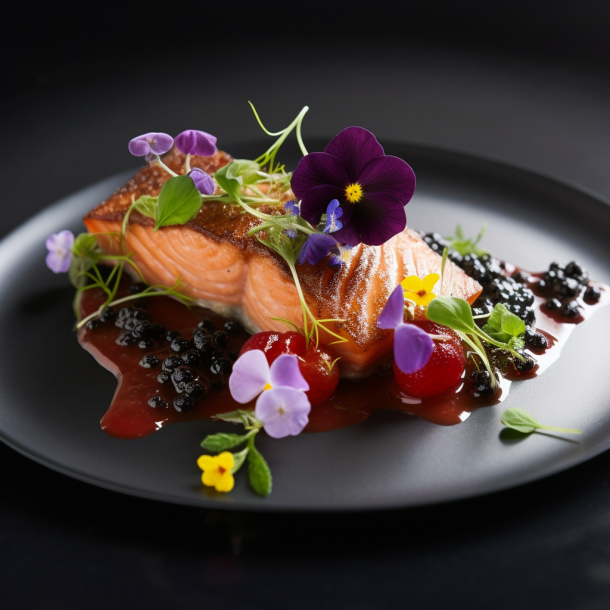
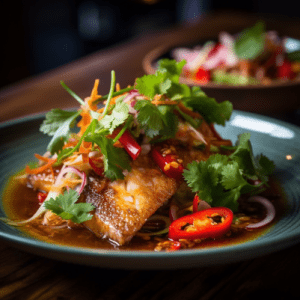
This grilled salmon recipe that perfectly captures the flavors and essence of the region. Topped with a tangy huckleberry sauce and edible wildflowers, this dish is a delightful summertime treat that will leave your taste buds satisfied. Not only is it delicious, but it also incorporates a variety of wild and natural ingredients, making it a great choice for those who appreciate local, sustainable cuisine. Follow this recipe and experience the unique and refreshing flavors of the Pacific Northwest on your plate.
Ingredients:
- 4 salmon fillets (6 oz. each)
- 2 tbsp. olive oil
- Salt and pepper
- 1 cup fresh huckleberries
- 1 tbsp. honey
- 1 tbsp. balsamic vinegar
- 1 tbsp. chopped fresh thyme
- 1/4 cup of mixed edible wildflowers (such as chamomile, lavender, or nasturtiums), roughly chopped
- Preheat grill to medium-high heat.
- Brush the salmon fillets with olive oil and season with salt and pepper.
- In a small saucepan, combine the huckleberries, honey, balsamic vinegar, and thyme. Cook over medium heat for 5-7 minutes or until the huckleberries start to break down and the sauce thickens.
- Once the sauce has thickened, remove it from the heat and stir in the chopped wildflowers.
- Grill the salmon fillets for 4-5 minutes per side, or until cooked through.
- Serve the salmon hot with the huckleberry and wildflower sauce spooned over the top.
A Perfect way to enjoy the flavors and beauty of the Pacific Northwest during the summer season. With its combination of sweet and tangy huckleberries and aromatic wildflowers, this dish is sure to impress your taste buds and guests alike. It’s also a sustainable and healthy option that uses fresh, local ingredients that are readily available in the Pacific Northwest. Give this recipe a try and savor the unique and delicious tastes of the region.
Ingredient Pairings
Almonds are a great pairing with fruits like apricots, where their crunchiness provides a nice contrast to the soft texture of the fruit. This combination works well in desserts, salads, and savory dishes.
Food Facts
Cashews grow outside of a fruit called a cashew apple. The 'nut' we eat is actually the seed found at the bottom of the cashew apple.
Cooking Tips
To prevent sliced apples or potatoes from browning, soak them in a bowl of cold water with a splash of lemon juice or vinegar. This helps to preserve their color until ready to use.
Ingredient Spotlight
Tomatoes are a versatile fruit that is used as a vegetable in cooking. They come in a variety of colors, sizes, and flavors. Tomatoes are used in salads, sauces, soups, and as a base for many dishes around the world.
Foraging Facts
Foraging is not limited to land-based resources; freshwater and coastal areas offer a bounty of edible treasures. Look for wild edibles like watercress, samphire, or wild rice in wetland areas or along the shores of rivers, lakes, or oceans.
Baking Hacks
To prevent fruit from sinking to the bottom of a cake or muffins, toss them in a small amount of flour before folding them into the batter. The flour coating helps to suspend the fruit in the batter.
Culinary Terms
Julienne is a knife cutting technique where vegetables or other ingredients are cut into thin, matchstick-like strips. It is commonly used for garnishing, stir-fries, and salads.
Dry Rubs
For a Mediterranean-inspired dry rub, consider using a combination of dried oregano, basil, and garlic powder. This blend works well on chicken, lamb, or even grilled vegetables, adding a burst of Mediterranean flavors to your dishes.
Wet Rubs
If you enjoy a hint of sweetness in your wet rub, incorporate ingredients like honey, brown sugar, or even fruit preserves, along with spices and herbs of your choice. This sweet and savory combination works well on various meats, allowing you to customize the flavor profile to your liking.
Spice Blends
For a taste of the Mediterranean, try using herbes de Provence. This classic French blend typically includes herbs like thyme, rosemary, marjoram, savory, and oregano. It adds a fragrant and earthy flavor to roasted meats, grilled vegetables, or even homemade bread.
Infused Oils
Infused oils offer a delightful way to add unique flavors and aromas to your culinary creations. By steeping herbs, spices, or other flavorings in oil, you can infuse it with their essence and enhance the taste of your dishes.
Edible Flowers
One example of using edible flowers is to make a floral-infused syrup. Combine sugar, water, and edible flowers like lavender or rose petals in a saucepan, heat gently until the sugar dissolves, then let it cool and strain out the flowers. The resulting syrup can be used to flavor beverages, desserts, or even drizzled over pancakes or waffles for a touch of floral sweetness.