Please note that some of the links on this website are affiliate links. I will earn a commission if you decide to make a purchase after clicking through the link. As an Amazon Associate I earn from qualifying purchases.
Black Magic Baby Leaf Kale: Tender, Refined Greens for Winter Salads and Fast Cooking
Best Chef Recipes — Pacific Northwest Ingredient Series
Black Magic Baby Leaf kale is a refined expression of the classic Lacinato type, harvested young for tenderness, sweetness, and elegance. While mature Black Magic kale is known for its dark, blistered leaves and cold resilience, the baby leaf stage offers a softer texture and milder flavor that makes it especially valuable for raw and lightly cooked preparations.
For chefs and home cooks alike, this variety delivers the depth and mineral character of Tuscan kale without the toughness often associated with mature leaves.
🧪 Botanical Identity & Selection
Black Magic Baby Leaf is harvested from the same cultivar as full-size Black Magic kale (Brassica oleracea var. palmifolia), but cut early—typically at 3–6 inches in height. At this stage, the leaf cuticle is thinner, fibers are undeveloped, and bitterness is minimal.
| Trait | Description |
|---|---|
| Botanical | Brassica oleracea var. palmifolia |
| Harvest Stage | Baby leaf (3–6 inches) |
| Leaf Texture | Smooth to lightly blistered |
| Color | Deep blue-green to near black |
| Cold Tolerance | Excellent; sweetness increases in cool weather |
🥬 Flavor & Texture Profile
At the baby leaf stage, Black Magic kale offers a clean, lightly sweet brassica flavor with none of the fibrous chew of mature leaves. Frost exposure further enhances sweetness while maintaining leaf integrity.
- Flavor: Mild, mineral, subtly sweet
- Texture: Tender, flexible, delicate
- Bitterness: Very low
- Mouthfeel: Silky when dressed, quick-wilting when heated
Chef insight: This is one of the few kale types that performs beautifully in raw salads without massaging.
🍽 Culinary Uses & Kitchen Applications
Black Magic Baby Leaf kale is prized for speed and restraint. It integrates seamlessly into dishes where texture matters and overcooking would be a flaw.
- Raw salads — citrus vinaigrettes, shaved vegetables, grains
- Warm salads — lightly wilted with residual heat
- Quick sautés — garlic, oil, 30–60 seconds
- Egg dishes — omelets, soft scrambles, frittatas
- Garnish greens — refined alternative to arugula or spinach
Flavor pairings: lemon, hazelnut oil, olive oil, parmesan, pecorino, anchovy, mushrooms, soft grains, eggs.
🌿 Growing Black Magic Baby Leaf in the Pacific Northwest
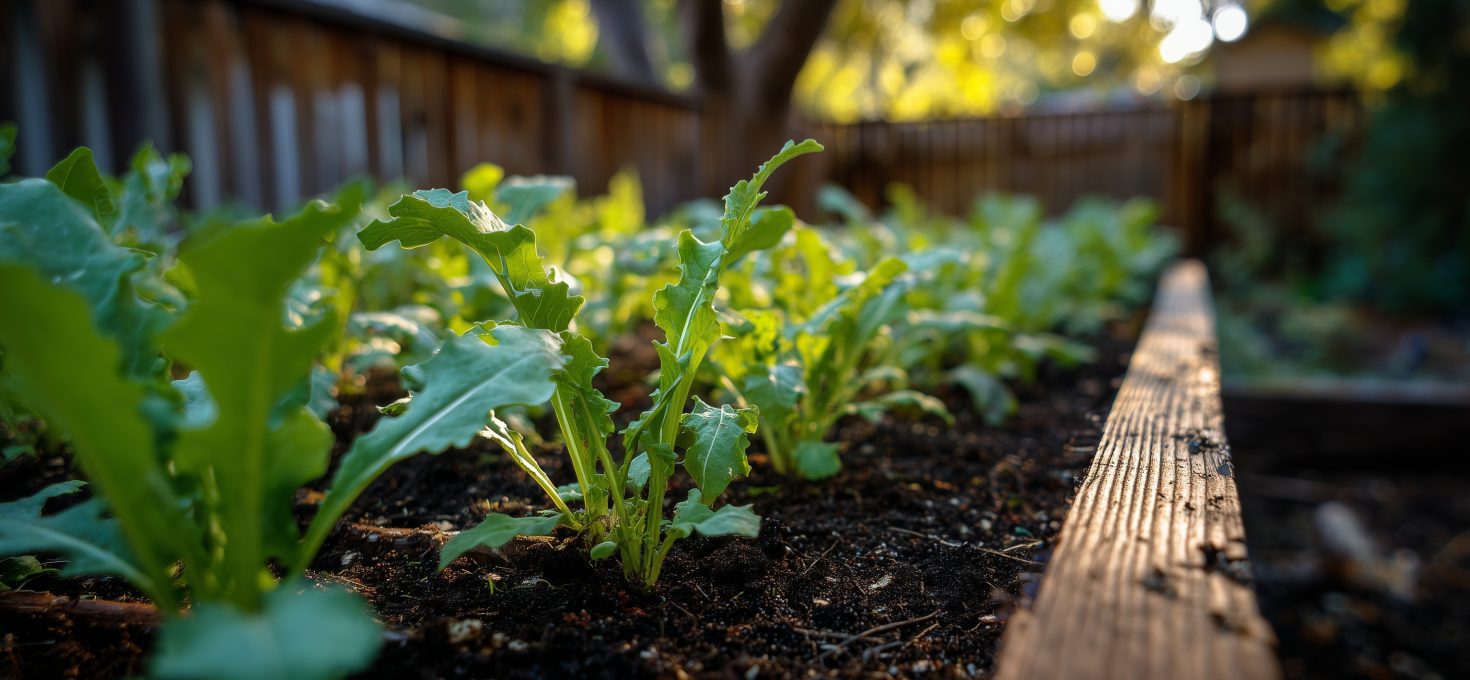
This variety is exceptionally well suited to PNW conditions. Cool temperatures encourage compact growth, deep color, and sweet flavor. Baby leaf harvest allows for rapid turnover and continuous production.
It performs well in:
- Raised beds
- High-density rows
- Cold frames and hoop houses
- Cut-and-come-again systems
| Condition | Recommendation |
|---|---|
| Soil pH | 6.2–7.2 |
| Light | Full sun to partial shade |
| Spacing | Dense sowing for baby leaf |
| Harvest | Cut at 3–6 inches; regrows quickly |
| Season | Fall through early spring |
❄️ Why Black Magic Baby Leaf Belongs in Winter Cooking
Winter cooking favors subtlety and control. Black Magic Baby Leaf kale offers depth without heaviness, structure without toughness, and color without ornamentation.
It is a professional green disguised as a simple one—ideal for salads that don’t feel raw, and cooked dishes that don’t feel heavy. In a winter kitchen, it brings restraint, clarity, and quiet confidence.