Please note that some of the links on this website are affiliate links. I will earn a commission if you decide to make a purchase after clicking through the link. As an Amazon Associate I earn from qualifying purchases.
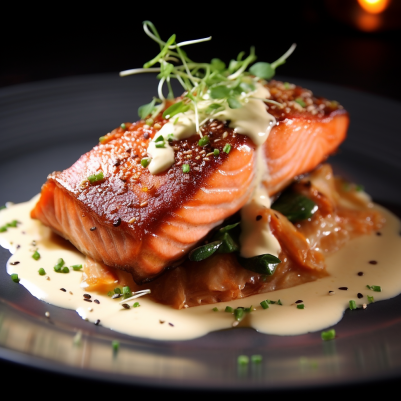
Maple Glazed Salmon in Smoked Boar Bacon Cream

- Prep Time: Estimated 10 minutes
- Cook Time: Estimated 15 minutes
- Total Time: Estimated 25 minutes
- Yield: 4 servings
- Cuisine: Canadian
- Author: Scott Stokes
Ingredients:
- 4 salmon fillets
- 1/4 cup maple syrup
- 4 slices of smoked boar bacon
- 1 cup heavy cream
- 1 tablespoon butter
- Salt and pepper to taste
Instructions:
- Preheat the oven to 375°F (190°C).
- Place the salmon fillets on a baking sheet lined with parchment paper.
- Brush the maple syrup over the salmon fillets, ensuring they are evenly coated.
- Season the salmon with salt and pepper.
- Bake in the preheated oven for 12-15 minutes or until the salmon is cooked through and flakes easily with a fork.
- While the salmon is baking, cook the smoked boar bacon in a skillet over medium heat until crispy. Remove from the skillet and crumble into small pieces.
- In the same skillet, melt the butter over medium heat. Add the heavy cream and bring to a simmer. Cook for 5 minutes, stirring occasionally.
- Stir in the crumbled smoked boar bacon and season with salt and pepper to taste.
- Remove the salmon from the oven and serve with the smoked boar bacon cream sauce.
- Enjoy!
Note: This dish pairs well with roasted vegetables or a side salad.
Certainly! Here’s the recipe markup for Maple Glazed Salmon in Smoked Boar Bacon Cream:“`htmlIngredient Pairings
Mint and chocolate are a classic pairing that creates a refreshing and indulgent combination. The cool and minty flavor of mint complements the rich and sweet taste of chocolate, making it a popular choice for desserts.
Food Facts
The Durian fruit is famous for its strong smell, often described as a mix of gym socks and rotten onions. Despite the smell, it is considered a delicacy in Southeast Asia.
Cooking Tips
To avoid over-salting a dish, taste and season gradually. Remember, you can always add more salt, but it's challenging to fix an overly salty dish.
Ingredient Spotlight
Ginger is a root with a spicy, zesty flavor and a slightly sweet undertone. It is widely used in Asian and Indian cuisines for its aromatic and warming properties. Ginger can be used in stir-fries, soups, teas, and baked goods.
Foraging Facts
When foraging wild edibles, avoid over-harvesting from a single area to ensure the sustainability of the plants and maintain healthy ecosystems. Take only what you need and leave enough for the plants to continue thriving.
Baking Hacks
To prevent fruit from sinking to the bottom of a cake or muffins, toss them in a small amount of flour before folding them into the batter. The flour coating helps to suspend the fruit in the batter.
Culinary Terms
Tempering is the process of slowly raising the temperature of one ingredient, usually eggs or chocolate, by gradually adding a hot liquid. This prevents the ingredient from curdling or seizing.
Marinades
Marinades are a fantastic way to infuse your meats with flavor and tenderize them at the same time. By combining ingredients like citrus juices, vinegar, herbs, and spices, you can create a delicious marinade that will enhance the taste and texture of your meats. If you're looking for high-quality marinade injectors to ensure even distribution of flavor, check out these Home and Gift Ideas.
For a bold and spicy kick, try a chili lime marinade. Combine lime juice, olive oil, minced garlic, chopped cilantro, chili powder, cumin, and a pinch of salt. Marinate your choice of protein for at least 30 minutes before grilling or roasting. The result is a tangy and zesty flavor that pairs well with grilled chicken or shrimp.
If you prefer a sweet and savory marinade, consider a teriyaki marinade. Mix soy sauce, brown sugar, minced ginger, minced garlic, sesame oil, and a splash of pineapple juice. Marinate your meats for a few hours to overnight, and then cook them to perfection. The teriyaki marinade adds a delicious umami flavor to chicken, beef, or salmon.
For a Mediterranean-inspired marinade, combine olive oil, lemon juice, minced garlic, dried oregano, dried thyme, and a touch of honey. Marinate your choice of protein for a few hours, and then grill or sauté it. The Mediterranean marinade infuses the meat with a fresh and herbaceous flavor that pairs well with lamb, pork, or vegetables.
Dry Mixes
Dry mixes are convenient and versatile flavor enhancers that can be used in a variety of dishes. They are typically made by combining dried herbs, spices, and other seasonings. Dry mixes are a great way to add quick and easy flavor to meats, vegetables, dips, and more. If you're in need of high-quality spice grinders to freshly grind your spices for dry mixes, take a look at these Home and Gift Ideas.
One popular dry mix is taco seasoning. Combine chili powder, cumin, paprika, garlic powder, onion powder, oregano, salt, and pepper. Use this mix to season ground beef or chicken for flavorful tacos, nachos, or quesadillas.
Another versatile dry mix is Italian seasoning. Mix dried basil, dried oregano, dried thyme, dried rosemary, dried parsley, and garlic powder. This blend is perfect for seasoning pasta dishes, roasted vegetables, or homemade pizzas.
For a spicy kick, try a Cajun seasoning mix. Combine paprika, garlic powder, onion powder, dried thyme, dried oregano, cayenne pepper, black pepper, and salt. Use this mix to add flavor to shrimp, chicken, or roasted potatoes. It's also great for making Cajun-inspired dishes like jambalaya or gumbo.
Sauces
Sauces are the perfect accompaniment to many dishes, adding richness and flavor. From tangy barbecue sauce to creamy aioli, there's a sauce to suit every taste. Making your own sauces at home allows you to customize the flavors and adjust the ingredients to your liking. If you're in need of high-quality saucepans for making delicious homemade sauces, check out these Home and Gift Ideas.
One classic sauce is hollandaise sauce. This rich and creamy sauce is made with egg yolks, melted butter, lemon juice, and a pinch of salt. It's traditionally served with eggs Benedict or as a topping for steamed asparagus.
If you're a fan of spicy flavors, try making a homemade sriracha sauce. Blend together red chili peppers, garlic, vinegar, sugar, and salt. This fiery sauce adds a kick to dishes like stir-fries, tacos, or roasted vegetables.
For a tangy and smoky barbecue sauce, combine ketchup, brown sugar, Worcestershire sauce, apple cider vinegar, smoked paprika, garlic powder, and onion powder. Simmer the sauce until it thickens, and then use it to glaze grilled meats or as a dipping sauce for chicken wings.
Dressings
Dressings are a great way to enhance the flavors of salads, sandwiches, and wraps. Making your own dressings allows you to control the ingredients and customize the flavors to your liking. From creamy ranch to tangy vinaigrettes, there's a dressing for every salad. If you're looking for high-quality salad dressing shakers for easy mixing and serving, check out these Home and Gift Ideas.
One popular dressing is balsamic vinaigrette. Whisk together balsamic vinegar, Dijon mustard, honey, minced garlic, salt, and pepper. Drizzle this tangy and slightly sweet dressing over mixed greens or use it as a marinade for grilled vegetables.
For a creamy option, make your own Caesar dressing. Blend together mayonnaise, anchovy fillets, grated Parmesan cheese, minced garlic, lemon juice, Worcestershire sauce, and black pepper. Toss this rich and garlicky dressing with crisp romaine lettuce, croutons, and shaved Parmesan cheese.
If you're a fan of Asian flavors, try a sesame ginger dressing. Whisk together soy sauce, rice vinegar, sesame oil, grated ginger, honey, and minced garlic. This dressing pairs well with mixed greens, crunchy vegetables, or as a marinade for grilled chicken or shrimp.
Condiments
Condiments are the finishing touch that can take a dish from good to great. From tangy mustard to spicy hot sauce, condiments add flavor and depth to a variety of foods. Making your own condiments allows you to experiment with different flavors and adjust the ingredients to suit your taste. If you're in need of high-quality condiment squeeze bottles for easy dispensing, take a look at these Home and Gift Ideas.
One classic condiment is homemade ketchup. Simmer together tomato paste, vinegar, brown sugar, onion powder, garlic powder, and a pinch of salt. This tangy and slightly sweet ketchup is perfect for dipping fries, burgers, or hot dogs.
If you're a fan of spicy condiments, try making your own hot sauce. Blend together chili peppers, vinegar, garlic, salt, and a touch of sugar. Adjust the heat level by adding more or fewer chili peppers. Drizzle this fiery sauce over tacos, eggs, or grilled meats.
For a tangy and refreshing condiment, make your own tzatziki sauce. Combine Greek yogurt, grated cucumber, minced garlic, lemon juice, chopped fresh dill, salt, and pepper. This creamy and herby sauce is great for dipping pita bread, spreading on sandwiches, or as a topping for grilled meats.
Dry Rubs
If you're a fan of smoky flavors, incorporate smoked paprika or chipotle powder into your dry rub. These spices lend a delightful smokiness to meats, especially when combined with other ingredients like brown sugar, cumin, and garlic powder.
Wet Rubs
For a Caribbean-inspired wet rub, blend ingredients like jerk seasoning, lime juice, soy sauce, brown sugar, and a splash of rum. This vibrant and flavorful wet rub is ideal for chicken, pork, or shrimp, transporting your taste buds to the tropical islands.
Spice Blends
For a taste of the Mediterranean, try using herbes de Provence. This classic French blend typically includes herbs like thyme, rosemary, marjoram, savory, and oregano. It adds a fragrant and earthy flavor to roasted meats, grilled vegetables, or even homemade bread.
Infused Oils
For an exotic twist, create a curry-infused oil by combining curry powder with olive oil. Let the flavors meld for a few days before using. This fragrant oil can be drizzled over rice dishes, roasted vegetables, or used as a flavor base for curries and stews.
Edible Flowers
Edible flowers are blossoms that can be consumed as part of a dish or used as garnishes. They add visual appeal and delicate flavors to both sweet and savory dishes. Some common edible flowers include pansies, marigolds, nasturtiums, violets, lavender, and roses. Edible flowers can be used in salads, desserts, cocktails, or as a decorative element on cakes or pastries. It's important to note that not all flowers are edible, so it's essential to use flowers specifically labeled as edible.